down to earth

  • Home
  • About Us
  • Down To Earth Book
  • Privacy Policy
Wow. The Blackheath workshop is almost full. Thanks to everyone who booked yesterday. I'll get details out to you in the next couple of days. There has only been one inquiry about the other workshop further west. We decided to do it in Bathurst after all but if there is no further interest, we'll probably do both workshops in Blackheath. Please let me know so I can book the venues.

Also, I'm going to link to everyone who is taking part in yesterday's list challenge. If you want to be part of that, please email your link to your list post so I can include it - rhondahetzel@gmail.com

-  -  -  - ♥ -  -  -  -

A couple of months ago, Kim asked me to write a post about making a bed with hospital corners. Well, it may have taken a bit too long to get to it but today we have it - making your bed. This is one of my favourite topics. I love it because it's one of those most ordinary of tasks that many people don't think about, but when you do, you realise what a profound act it is. Many of us may be guilty at times of not looking after ourselves properly. This one small act of making the bed, is high up on the list of household tasks that help care for you, the homemaker and maker of the bed. It will make you feel better. If not when you do it, then certainly when you go to bed.

We all know how important it is to make a baby's bed. Those small bundles spend a lot of time in their beds in those first few months and generally parents know that the bed has to be clean, dry and warm enough. That little bed will hold your baby when you can't, it has to be safe secure and comfortable.

Your bed is the same. It may not be made up with fresh sheets quite as often as a baby's bed but it's just as important that your bed will hold you safely and securely and that when you go to bed after a hard day's work, the comfort you find there relaxes you and helps you sleep. Sleep is a strange thing. We still don't really know why we sleep but all of us do. Usually once every 24 hours we loose consciousness and lay silent for hours. We don't know what's going on around us, we don't know what time it is, we don't respond.  Knowing all this, I guess it makes sense to have a bed that keeps us warm and comfortable, and will safely hold us during those hours we lay silent.

I don't make my bed with hospital corners anymore. I learnt the technique when I was a nurse in the 60s and 70s and it's just one of those simple things that always stays with you. I use fitted bottom sheets now and I don't tuck in the top sheet at the bottom on the bed now because both Hanno and I like to poke our feet out from under the sheets and quilt.

Always start off with a bottom sheet that is completely flat, with no creases. If you don't use fitted sheets like I do, lay a flat sheet out on your bed, make sure there is an even hang on both sides and then tuck in the top of the sheet under the mattress. Pull it tight because creases in the sheet you lay on will be uncomfortable. If you're making the bed for someone who is elderly or frail and they spend a lot of time in bed, creases have the potential to start bed sores. So just take the time to run your hand over the bed to make sure no creases remain before you tuck in the top or bottom of the sheet. See below for how to make the hospital corners. You would do that top and bottom is you're using a flat bottom sheet and just at the bottom for the top sheet.
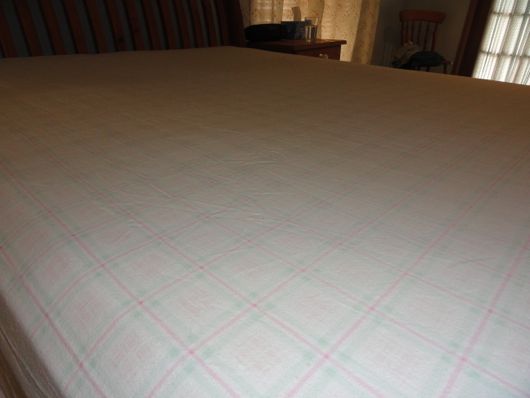
Lay the top sheet on top of the bottom sheet and smooth it out with an even hang on both sides of the bed. The goal here is to provide warmth on both sides of the bed with a good enough hang as well as comfort for the toes and feet. 

If you make the top sheet too tight, it will cause pressure on your toes. When I was taught how to make a hospital bed, we always added a pleat at the bottom of the bed so the sheet could easily expand to accommodate the feet. So right in the middle of the sheet, pull the sheet in from both sides and make a pleat. Don't worry about the pleat looking untidy. It will be completely cover and flattened by your top layers.

When you get into bed with the pleat at the bottom, the pleat will expand out to give your feet the room they need.

Then, to make the hospital corners, standing at the side of the bed near the end, lift up the side of the sheet so it looks like the above and lay the mitred corner on the bed. Then tuck in the bit that's hanging down.

You will then have a corner that looks neat, like  this.

Then take the sheet corner that is still laying on the top of the bed and tuck it securely under the bed, giving you a firm mitred corner - a hospital corner.
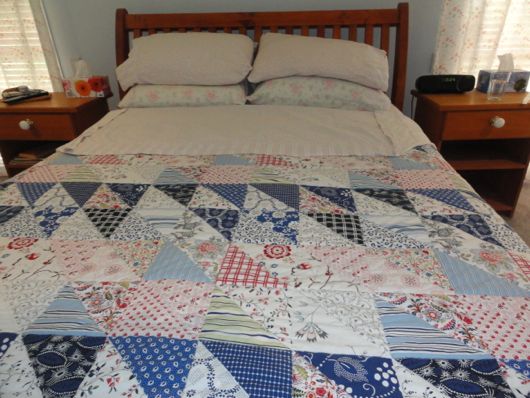

In hospital, they used to tuck in the sheets along the side of the bed. I'm not sure if they still do that but it makes a really tight bed. I prefer to have a bed with the top sheet fairly loose, so I never tuck in the top sheet.

Some other things to remember when making your bed is to not have the top layers too heavy. Toes and feet need to be comfortable and make sure your pillow supports your head and neck well. I've found you need different pillows at different stages of life. Hanno uses a soft feather pillow, I have a firm latex one. There is no doubt about it, if you make up a comfortable bed every morning, you'll look forward to going to bed at night. Establishing a good sleeping pattern is such an important part of healthy life. If you sleep in a clean, well made bed, you'll have the best chance of having a good night's sleep. If you've never been in the habit of making your bed, just try fluffing your nest for a week and see what difference it makes. I think you'll be surprised.

I make myself busy on purpose. It helps me slow down and live simply. Busyness has always been part of my life. I work better when I'm under some sort of pressure or when I have to meet a deadline. Because ... when I have no pressure making me work, I don't. I sit back thinking I have all the time in the world to do what I need to do and sometimes I end up doing nothing.  At this stage of my life being busy is working very well for me. I have a lot of opportunities nowadays and I say yes to projects to keep me on my toes and for the sheer pleasure I get from it. When I work through all my tasks, then I have a chance to relax and I make the most of it.


People often comment on my workload but I rarely do more than I know I'm capable of. Being raised in a working class home, I discovered the benefits of work early in life and I've never found a reason to stop work, even now I can. I'm supposed to be retired but people keep asking me to do this and that and I'm happy to keep going while I can. When I thought I was retiring, way back when I closed down my business, I found that doing everything I wanted to do in my home made every day full, rich and empowering. I thought I was "retiring" and that work would ease off, but instead I work in a different and more fulfilling way which more often than not doesn't feel like work.


I have always found that writing down what I have to do enables me to work through the list without having to rely on my memory to keep going. A list provides a reminder of the work and adds an element of organisation to it as well. It allows me to think ahead and choose the tasks that need to be done and what can wait a while. Now that I'm moving into a very busy period, I'm doing a weekly and a daily list. This is the best way for me to choose what I'll work on during the week, then choose from that list what I'll tackle each day. I've found it's a very good way of organising myself and managing my time.


You can join me if you want to. If some of you join me we might do it for a few months on a Monday morning to see if the lists makes us accountable enough to make a difference to our work. The thing you mustn't do it to make an unrealistic list. It must be achievable.


I wrote my weekly list yesterday. I'll move whatever I feel like doing, or need to do on a particular day, over to my daily list. Hopefully by the end of the week, everything on my NEEDS list can be ticked off. I intend to go to my WANTS list in my breaks and on the weekend and hope to have most things on that list finished by week's end too.

My weekly list - Monday, 2 April.

I NEED TO:
  • Transfer the Down to Earth forum to another server.
  • Finish off the last few pages of the Milk ebook and send it in to be made into an ebook.
  • Read about how to create a newsletter in my email account.
  • Meet with Ernie on Tuesday.
  • Write notes for future workshops. 
  • Take photos for blog.
  • Go to the bank.
  • Pick up milk from the dairy.
  • Do a small amount of ironing.
  • Cook dinner every night.
  • Make a cake or biscuits.
I WANT TO:
  • Sow seeds.
  • Knit - finish off my cotton shawl.
  • Tidy my desk.
  • Write my blog.
  • Read.
  • Organise my new book proposal notes.
  • Take an hour's break in the middle of the day.
MY TUESDAY LIST - on this list I've moved items from my weekly needs and wants list to a list of what I hope to do today.
  • Write blog
  • Start forum transfer - this will take a couple of days
  • Finish Milk book
  • Meet Ernie
  • Pick up milk at dairy on way back from Ernie's
  • Cook dinner
Let me know if you join in and I'll find a way to link to you. I hope you enjoy your day.
Rhonda. xx
Recently I read Tania's post about rising early and the mundane ordinariness of Monday mornings and once again I felt that soft collision of connection between the two of us. In reality, we're worlds apart - geographically, in age and culture, and probably many other things, and yet there is something that I recognise in Tania. I'm not sure if it's my life now or memories of my past but that warm recognition I see in Tania's blog and the way she writes about her life is familiar, comforting and reassuring. 


I didn't realise it until I snapped back to reality but I sat there starting out the window after reading the post, trying to find the reason for the recognition. The sun was still on the rise behind some pine trees, making bright shadows on the front garden and highlighting spider webs that otherwise would have gone unnoticed. Tiny golden leaves fell from one of the trees near the house and a Sacred Kingfisher swooped down at one point to pick up a grasshopper.

How do we make a connection like this to someone we don't know? 


Blogs are strange things. I've been thinking about them a lot lately because of the blogging workshops we've just finished and have been trying to define just what a blog is. At the most basic level a blog is a way of recording one's thoughts in a similar way you'd write a diary. Most blogs are glaringly public though. They're a form of expression, like a book or a letter to a friend. They're a record of life.  They're a way of getting public recognition. They can be a business for those who spend a lot of time on their blogs and have something to sell - be that their thoughts or products.


And what of all of us who write blogs? Having met a few hundred people in the past month who are new to blogging, I know now from that small sample that bloggers can be anyone. They are young, middle aged, old and older. There are many people who want to record family life or their travels as well as many who just want to blog and see what happens. And there are the business bloggers.

My hope for all of those new bloggers is that they develop a community of people who "get" them. People who they might never meet but feel they know, just like me and Tania. Had someone told me years ago such a relationship could be had on the internet and that real friendships could be formed, I would have thought "pffffffft, as if". But it happens all the time.


I think I'm one of the luckiest bloggers on the web. I have you and this wonderful community of like minded folk who drop by, say hello, write emails, send gifts and cards in the post - right now I have Courtney's borage seeds winging their way to me (thanks Courtney). People leave comments to share what they know and to make a contribution to the continuing conversation we have here. This blog, and I think Tania's blog, started off as solo efforts but have both developed well beyond that. We now have a thriving and thoughtful community online and that is a beautiful and powerful thing.

How has your blog developed over the years?
The loss of you lingers - Letters of Note

Baby shoes at Tipnut

How to survive hard time - grandpappy info

Documentary films to watch online - some good documentaries for Easter viewing

For the knitters - a baby cardigan

What could be better than a story of birth at Easter - watch Petal's baby stand up for the first time. This is unbelievably cute and life-affirming. This will make you smile.

FROM THE COMMENTS HERE DURING THE WEEK

Julie at little red salt box

Anke at our little piece of heaven

Katie at what Katie did this time

Now the Easter weekend is here, I hope you have a chance to relax and spend some time with your family and friends. We're going to Kerry and Sunny's home today to celebrate Jamie's second birthday and we're really looking forward to it. In Australia, a lot of people go away camping over Easter. It's the last chance for a little break away while it's still fairly warm. I hope you enjoy whatever you do. Don't forget to share the chocolate rabbits and eggs with the children.  ; - )

For those of you waiting to get back into the forum, I hope to have it up and running again sometime over Easter.  We have to move to another server to accommodate our increase in membership and that takes some time to organise and transfer.

See you all next week. ♥
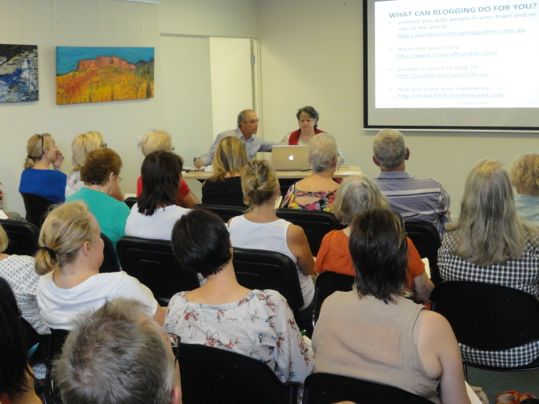
Our blogging workshop at the Maroochydore Library.

I've been very fortunate lately to have been involved in writing and blogging workshops in the Sunshine Coast libraries. We do the last one today. My business partner and friend, Ernie Marcum and I, delivered the 16 workshops at every one of the council libraries. It was exhausting, we had to leave home far too early and too often, we carried heavy bags containing computers and notes, some days were hot, some days it rained, but we loved every minute of it. Not only did we get to talk about things we love doing, we met some incredible people who are passionate about writing and blogging. We also met hard working librarians who focused on delivering appropriate and interesting activities, workshops and reading materials for their communities.

This is me with my good friend Beverly Hand, elder of the Kabi Kabi people. We met at our Neighbourhood Centre and I'm sure we'll be lifelong friends.

Above and below are community events that rarely rate a mention in mainstream media yet they're an important part of our community.  You need to be part of your community to know when your local events take place.


I have no doubt that libraries need more funding. They're doing a great service with what they have, but we need more librarians, and the libraries need to be open longer hours and open up to even more new programs and ways of operating. If you're in Australia, I urge you to lobby your local councillor to increase library funding and employ more librarians. Just a quick email should do it.

Libraries are wonderful places. They are there for us in large and small towns and in recent years they've been moving from the older model based solely on books and reading, to a wider approach of presenting workshops, genealogy research and resources, JPs services, baby and toddler reading and rhyming and much more. Libraries are the community places that many of us feel comfortable in. We introduce our children to them at a very young age in the hope of developing a lifelong love of reading and learning.

This community gathering was at Bell last year when Hanno and I travelled out there to demonstrate how to make soap, scones and laundry liquid. We had the best time with these ladies and Hanno was spoilt with hot coffee and cake - frequently.

Often in the past, when we moved to a new community, the library was my first port of call because of the local information and valuable connections to be made there. For all of us who live a simple life, libraries hold information we need, spaces we can use for community meetings and ideas for future projects. But I love libraries because of the people there. If you've simplified, cut back or downsized, then probably, like me, you won't be interested in most of the mainstream advertised information about big TVs, mobile phones and $400 shoes. You'll be looking for information that is not broadcast. You want to know where to buy old breed chooks, the best value for money water pumps and solar panels, organic yarn, good knitting needles and crochet hooks, incubators, honey extractors, where the community gardens are and the closest farmers' market or LETS market. You'll never find this sort of information in a magazine and often not even in the local newspaper. You need to know people in your community who will tell you. You need to build your community networks.

In our community, you can learn to sew at the Neighbourhood Centre, and it's free.

Community networking can start, very successfully, at your local library. If they don't have the information you're looking for, ask the librarian or put up a notice on the noticeboard. Ask about community groups you can join, be active, get out and be part of your community. Your neighbourhood will only be as supportive and active as you make it. If you're living a simple life, if you're aiming for a sustainable lifestyle, it will open new doors for you if you get out and be a part of your community. I have found you only ever get out what you put into life and when I first ventured into my community about ten years ago, a whole new world opened up for me. I have been changed in profound and significant ways simply by being part of my community. If you haven't made your connections yet, don't wait to be asked, every community is screaming out for people who don't mind a bit of hard work.  Just dive in, get involved and be a part of something special.

If you're a part of your community I'd love to know how you got involved in the first place.
I am using this post today to write about email safety. I know this isn't my usual topic but I've had a lot of emails lately that are obviously from hackers who have hijacked someone's email account.  There are two things here to watch out for. One is not having your email hijacked in the first place, the other is what to do if you receive one of these emails.


Even though this isn't something I usually write about, I'm a bit of an expert on it because, unfortunately, I've had my email account hijacked and, as I said, I've been receiving a lot of emails from hackers, using names I recognise.  When I had my email hijacked, it happened when I had a very simple password on my email account. Hackers now have programs where they can hook up to an email address and the program will run scanning through thousands of words until it hits on your password. If you have a common word or name as your password, generally it can find it. Then the hacker can use your email address to send his/her own emails - usually containing viruses, spam or pornography.

When my email was hacked, the hacker used my address book to send all the rubbish they sent out and it looked like I had sent it. So everyone who received one of those emails, received an email from "Rhonda Hetzel" and many of those people would have opened it. Had there been a trojan or virus of some kind, all those people who received that email would have been infected. Sorry.

When that happened, gmail contacted me and explained what had happened. The most important thing to do immediately was to change my password. As soon as the password was changed, the hacker could no longer use my account.

That all happened a few years ago now and since then, I always use strong passwords and I haven't had any more problems. In the past few weeks, I've received a lot of emails from people here whose names I know and their email was sent with just one link in it. I NEVER open these emails.

So what do we do to stay safe?  
  1. NEVER open links in emails unless you've asked it to be sent to you or you know, without doubt, it is safe. Even your family may have had their email hacked so it could look safe and innocent, but it's not.
  2. Change your email password right now to something that is much more secure. You need a longer word - about 9 or 10 characters, mainly letters with no spaces. Then throw in a few numbers and maybe a hash, question mark or ampersand for good measure. So "rhonda" is not secure but "rho2n83?da" is. Often, when you make up a new password, the program will follow you along and it will show you going from unsafe to safe to strong. And it makes a huge difference just making this small change.
  3. If you're like me and have a million accounts, get yourself a little notebook that sits next to your computer and enter in the usernames and passwords for all your accounts, or add this information to your homemaker's journal. Always update it if you change passwords or create a new account.
And that's it. Strong passwords work and they're easy to change. And if you get an email with a single link, don't open it. Delete it straight away. I don't want to scare you but we all need to take care on the internet so we can enjoy the time we spend here. Stay safe, everyone.


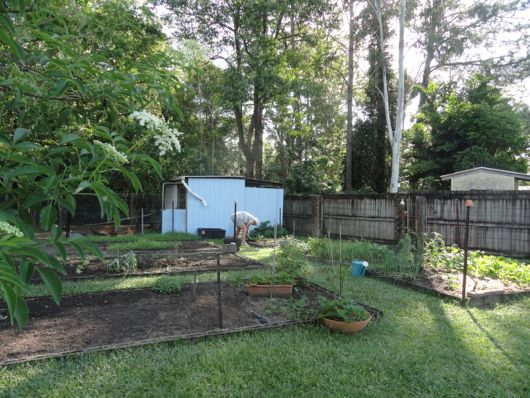
Here is Hanno bent over planting seeds and seedlings in the late afternoon sun.

Not only is March the best time of year for me with the weather, it's also when we see the re-emergence of our beautiful vegetable and herb garden. We're both looking forward to a good growing season this year and hope to have an abundance of fresh organic food to eat and share. We are committed soil gardeners, we don't like no-dig gardening. We look after our soil, dig it over and it produces vegetables that contain minerals from the earth as well as all the vitamins we need. The heavy work of weeding, turning over and soil enrichment happens here at the beginning of every growing season, and Hanno breaks that hard work up into smaller chunks that he can manage. Many of the vegetables are thriving already and some are big enough to pick.

Hanno planted 36 Glen Large garlic cloves yesterday - they're suited to warmer climates, so hopefully they'll do well here. Last year's garlic crop rotted away in the rain. He's also planted bok choi, sugarloaf cabbage, cauliflower, beans, tomatoes, lots of curly kale, pickling onions, shallots, leaks, beetroot. lettuce, silverbeet (chard) and zucchinis.  There's still a lot to go in but this is a very good start. Next step - root vegetable seeds. We have carrots, turnips, radishes and daikon to be sown.

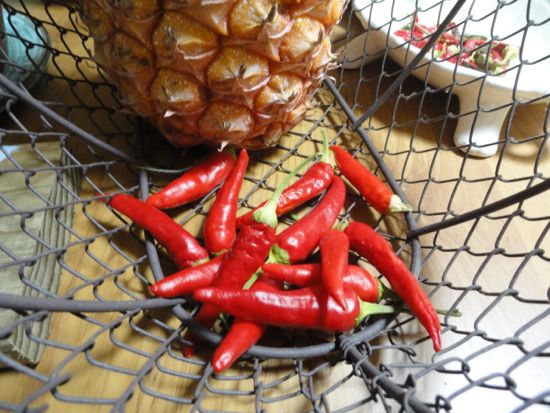
I have a selection of flowers too. I've planted sweet peas in a big pot and have Queen Anne's Lace to attract bees and other beneficial insects to the garden and at some point through the season, I'll probably add calendulas, alyssum and maybe some borage, if I can find some seeds. We already have a number of culinary herbs growing - parsley, sage, basil, thyme and lemon basil and of course, the ever present chilli bush is still producing more than enough medium-hot chillies. We have three ginger sprouts to plant too.

In the foreground, on the left, is the bench we sit on under our elder tree. Finally, after those five weeks of rain, the ground has dried out a bit and the elder is flowering.

This patch of lettuce, bok choi, silverbeet and cucumbers was planted on 14 February. You can read that post here.   Almost six weeks later, most of it is ready for the table.


This is Giuseppe, the guardian of the garden when no one is around. He is the recycled top of a Villaroy and Boch jar. My friend Kathleen was going to throw him out because he had a chip in his hat. As we all know, I have no requirement for perfection and therefore Giuseppe sits in our garden, with his hands full of carrots, watching when we can't.

This year we decided to let strawberries grow as under-storey plants around the vegetables. Hanno put the container next to the garden, the runners are self-rooting in the garden and when they do, he snips them off.

 The dark, bare area in this first garden is our garlic patch.


Hanno will be making comfrey fertiliser soon so we won't have to buy nitrogen fertiliser for the green leafy vegies. We'll probably put some on the compost too as comfrey will accelerate the decomposition there. It's a very helpful and versatile herb. If you can get some root cuttings, grab them and plant them close to your compost heap. A lot of people think comfrey runs like bamboo. It doesn't, but you have to be sure of where you plant it. If you dig it out, even the slightest piece of root will allow it to regrow in that spot.

There is no doubt about it. Having a garden to spend time in and being able to grow food and keep chickens helps me find balance in my life, especially when I'm busy writing and out working. It's even more important then. Walking out there into the fresh cool air makes me relax and I know that right here, right now is all I care about.  Life here is simple and apart from our clothes, the scene in our backyard on almost any day resembles scenes from hundreds of years past. We are just two people providing for ourselves. And sitting there under the elder tree - and I think everyone over 60 should have an elder tree - I'm calm, thoughtful and slow. There isn't much I want in life but I would like to put in a request to stay here, tending vegies and collecting eggs until I drop. I know I'll go out with a smile on my face. This is the outernet at its best.

One of the pleasures of having a break away from the blog is coming back full of enthusiasm. I miss all of you when I'm not here writing and imagining, in my mind's eye, you, drinking hot tea, breastfeeding the baby, planting seeds, milking cows, collecting eggs, folding laundry, sitting in the sun, walking around in the fresh air, coming home from work to the comfortable seclusion of your home, knitting on the verandah, watching birds and insects, tending your balcony garden, rigging up the downpipes from the roof, baking or returning home from the farmers' market with a packed basket. Yes, it's better when we're all here together.

I went to Maleny Dairies during the week to pick up milk for the family. It was late afternoon, I looked over beside me and this is what I saw. The rolling hills and the brown and white Guernsey cows, on the track, making their way up to be milked.


My foot is on the mend. It's not quite back to normal yet but the zinc certainly has done a wonderful job in repairing all that damaged skin. I'm still sure I have eczema and when my doctor comes back from his own sick leave, I'm going to ask for a referral to a dermatologist. In the meantime, I'll continue with the zinc, put my foot up when I sit down and generally look after myself. Thanks for sending all your healing thoughts and prayers as well as all your favourite home remedies. They certainly were interesting reading. I believe that certain treatments work on different people. Not everything works on everyone. If you have something that works for you, hold it tight and keep using it. For me, although I've tried Manuka honey and various herbal ointments, my go-tos are emu oil and calendula salve. This time though, they didn't work. This time my saviour was zinc cream. When the nurse applied the zinc impregnated bandage for the first time, I felt it soothe my foot within the first minute. It's wonderful stuff.

Jamie showing the chooks his big hands.

One of our free writing workshops, this one at the Cooroy Library. 

So what's been happening here? A lot. I'm about to be catapulted into a very busy season again, full of writing and all my home and family activities, as well as workshops with Ernie and some work with the Sunshine Coast Council promoting simple life. I must apologise for not having the milk recipe book out by now. It's finished and I'm trying to find time to get it made up into an ebook and then it will be on sale. If you've signed up for my newsletter, and you can do that on the sidebar near the book photo, you'll be the first to receive the news when it's published. When that's out, I'll work on a new print book proposal, some simple living modules to be presented at the Sunshine Coast libraries in July and August and then I'm starting work on a Down to Earth ebook for North America, Europe and Asia. The 16 free workshops we're doing at the libraries have been successful beyond our dreams. All were booked out, and just meeting all the writers here on the Coast has given me a few ideas about how to support and encourage them through the libraries. But that's another meeting for another time.

Sunny and Jamie have been over to visit us quite a lot and we're really enjoying that. Jamie follows Hanno around like a little shadow. So not only do I get to see my gorgeous grandson run around the backyard, I've been having many quiet conversations with Sunny and along with that, the chance to get closer to her. I really do see her as a daughter now. She is such a blessing to us. And it's Jamie's second birthday next Sunday. How did that time go so fast?

As usual, Hanno has been working with me to get us through this period of me being out of action. He's done everything in the home, including the cooking for the past couple of weeks. I've either been out workshopping or at home with my foot elevated - either with my laptop on my lap or knitting. Now that I'm back in action, Hanno can get back into the garden and finished his plantings. But more about that tomorrow. 


I think I'll be back writing new posts on Monday. My foot is on the mend.  :- )

The following was written in March 2010.
....♥....

I think most of us become more selective as we age. When I was younger I wanted to experience everything I could so I would know rather than surmise. I'm happy enough now to leave things I'm not interested in. The ability and the sense to do that came to me with age, although I think many people are like that all through life. Now, at this point in life I know that it would have been prudent to choose a husband who possessed skills that would compliment, and not duplicate, mine. If I were looking for a husband now, the colour of his eyes wouldn't matter, I would want to know if he could successfully raise an organic vegetable garden. Hindsight is a wonderful thing but the truth is I was rarely prudent in my younger years and when Hanno wandered into my life I never once thought of any of those practical considerations, I just loved him. I was more concerned with what was in his heart rather than in his bank account.


When I hang clothes or towels, the frame sits on its own legs. When I have sheets on the line, we use a little steel support to hold the line up a bit.

Now it's a bonus to me that he is multiskilled. Not only does he possess the skills of his former trade - mechanics, he can turn his hand to most things in the home. He can make furniture, repair the roof, rewire a lamp, unblock the plumbing, fix the car and cook delicious potato pancakes. I think I hit the jackpot.
It just pulls down from the roof where it sits when not in use.

A while ago, I asked Hanno to make me an all weather washing line. I wanted something better than the rope line we had strung up on the back verandah. I wanted a line that I could use when it was raining, that was ready to go all the time but would be out of the way. I needed a line that I could reach without stretching and one that would hold a full load of washing. That was the brief - it's been delivered.

When the washing is dry, the frame is lifted up to the roof again, out of the way.

Even though it was some time ago that I asked for this washing line, Hanno did start working on it almost immediately. We settled on a steel frame that would be able to hold a full wash and last a long time but we had no way of welding the pieces together. Luckily for us, our neighbour John just bought a new welder. Hanno and John put the line together on the weekend and the ideal testing weather promptly arrived soon after. Five inches of rain fell yesterday, much less that what was predicted - 12 inches, but a real soaking nonetheless. I pulled the line down from where it is safely tucked away, pegged on the laundry and stood back to admire the scene. There are a few things that really improve with age, a capable husband is one of them. Thank you Hanno (and John).

The Down to Earth forum is still down for maintenance and repair. I have a technician working on it and I'm hoping it will be back online in the next day or so. I apologise for the inconvenience this may be causing you.

16 AUGUST 2010

I have just finished reading Radical Homemakers by Shannon Hayes, which was kindly lent to me by my friend and fellow radical homemaker, Sonya, from Permaculture Pathways. I enjoyed the book, and although I was radicalised many years ago and am already doing much of what the book is about, I did get a strong message from it - we need to stand up, be proud of our lives and talk to others about how we live and why we live this way. We need to develop small communities of like minded souls so that what we are doing becomes a common way of being. If we all do that, hopefully those small communities become bigger and young people will learn that having one partner stay at home to keep house, raise children, shop wisely and manage the income, is a valid, significant and acceptable way of living. And not to leave anyone out of this revolutionary equation, those single people, the divorced, widowed and never married out there who work a paid job and who live as simply as they can while they do it, they need to spread their message too. We all need to be role models and show that living a simpler life brings much more than a clean home, connected children, nutritious food and no debt; it brings contentment and enrichment with it, and it is a career.


I have had three careers - I was a nurse, a writer and now I'm a homemaker/housewife. Writing that sentence has highlighted to me just one of the hurdles we face - that of language. When I was a nurse and a writer, everyone knew what those terms meant; with homemaker or housewife they don't. Homemaker is more an American term than an Australian one, and housewife is old fashioned and implies that everyone is married. We need to coin a term that accurately describes this work we do and we need to realise that even though work at home is unpaid work, it has value and it contributes to our countries wealth. I really dislike those terms that make light of our work - domestic goddess, home engineer etc, we need something substantial that describes, in general terms, what we actually do. I do like the term homemaker because it could mean just about anything that is done at home, but I also like home worker.

We all need to help change the perception that happiness is gained by buying it, that economies should grow at the expense of their people and that stepping back from the mainstream idea of buying more than we need, with money we don't have, is a hippy fantasy. And on the more positive side, we need to show our younger people that living this way is empowering, engaging and revolutionary. At the moment young people see staying at home as a drudgery. They have to clean and cook, look after children, and sometimes frail parents, and when the only knowledge you have of those tasks is what is seen on TV or advertising, you start to understand what a negative perception there is in the community about working at home.

We have to show that working at home gives us freedoms that paid work rarely offers. Imagine your first day at a paid job. You're given a range of tasks to do, a time limit in which to do them and standards to meet. All the time someone is watching you, making sure you do everything according to their plan. Now imagine your first day in your new home. You have already talked about your values and needs with your partner, so you set about setting up routines and learning new skills that will support your visions. The sky is the limit. You may do your work to your own rhythm and to whatever standard you set yourself.


You start taking control of your home - this is not a place where you just spend time waiting for your partner to return home. This, my friends, is a work in progress, a place that you want to spend time in, you want to make beautiful, safe and comfortable. You want to create a home that will nurture those who live there and that provides a warm and welcoming feeling to those who visit. You decide on a plan that will see you use your home and the land it sits on to help you live. You decide to grow organic vegetables and fruit in the backyard, get a few chickens, make a worm farm, or keep bees. You want to live an environmentally sound life, to eat organic food, or at the very least, the freshest food you can. You decide to learn as much as possible to cut the cost of living in this healthier and organic way so you set about learning how to make soap, laundry powder, bread, jams, relishes, sauces, and pasta. You start mending torn clothes and household linens, then progress to making gifts and simple clothes for the children, you start knitting and crocheting with natural fibres. In short, you take your new life as the positive empowering career it is and run with it. You make the most of what you have and you reduce your impact on your environment while doing it.

Sure, I agree, no one wants to clean toilets or dirty nappies/diapers, but look at the alternative. Do you want to use a dirty toilet or have your baby unhappy and uncomfortable? Every job has parts that we don't like doing, life is not always about what we want to do. We need to step up to all our tasks - enjoyable and not so enjoyable, just do them and then get back to the rest of it.

I have already seen changes happening. More people are cooking and gardening now than in the past. There has been a revival in home crafts, sewing and knitting. More people are understanding that debt is a life sapping burden and working actively to paid of their debts. Many beneficial things are happening, but we need to drive this along and we need to talk about our lives in a positive way to show others that working in our homes helps build good lives. That might be evident to us but to the general population, it isn't. Let's start talking about the happiness that lies waiting when we live this way and let's show, by example, that housework rewards us with homes we want to spend time in. Stop talking about housework as if it's the last thing you'd want to spend your time on, discover the good in what you do and highlight it. Let's start supporting other women and men in the work they do, no matter what it is, unpaid or paid. We can change things if we start with our own front door and work our way out. Gentle reminders about our way of life, speaking up when we heard someone complaining about housework, writing about this on our blogs, all these things will help make a difference. All it takes is that a lot of us start doing it.


I am doing a soap making class at my neighbourhood centre next month and I'm continuing with my frugal home workshops but I'm also going to think about how I can engage with the young people at our Flexischool and talk with them about this. What will you do? Do you have any great ideas that we could all use to help show that housework is not only radical, empowering and enjoyable, it is also a career? If so, please share.

This was first posted June 2012.

I've had a lot of emails lately thanking me for various things so I want to remind you all that I am a normal woman and despite what some of you think, I am not perfect by any stretch of the imagination. I think that some of you think I'm better than I am. I would like to do more than I do, I would like to be better than I am, but I'm just me and I have to settle for that. I think my saving grace is that I'm easy on myself now. I don't expect perfection in myself or anything else, or anything close to it.


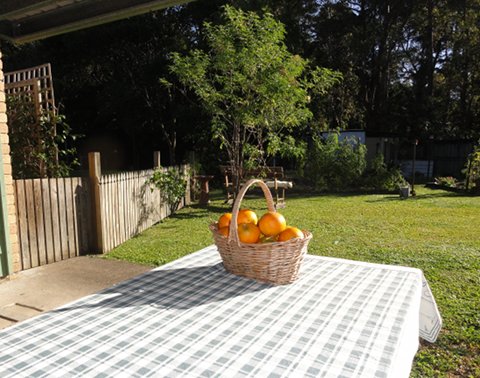
I think I'm like an organic backyard orange. I look old and motley on the outside, if you had to pay for me you'd offer five cents at a stretch, but when you open me up, the inside is sweet, juicy and healthy. It's a surprise. I think most of us are like that. Very few of us are like supermarket oranges that look perfect, cost a lot, but rarely live up to their promise. Most of us do our best but we are all flawed. We all think we should do more and be more, but now that I've got a few more years on me, I know that being flawed is not a crime, it's just a part of life. If I had not made all the mistakes I have made in my life, I wouldn't be the person I am now. When I fail, I learn from it. Not much happens when life goes smoothly and you succeed all the time. I'd much rather push myself and fail than to sit back and never try because I was too scared. Life is made interesting by uncertainty and the need to improve. 


If you look closely at the photo above you'll see what looks like a little black V shape - it's right in the middle at the top. That is a little male willy wagtail bird that lives here in the trees. He always joins the chooks and wanders around with them pecking at the grass and the crumbs they leave behind. I've noticed he's in nearly every photo I take of the chooks now.

It has been a beautiful winter day here today. I've got three layers on (one cotton and two woollen), the sky is bright blue, the air is crisp and the wind blows right through you. I've done some weeding, I've researched recipes, written, read and knitted. I sat for a while on the back garden bench and took it all in. I could live my whole life right here and not feel I'd missed one thing. So much is happening now that autumn has turned into winter - the pecan tree is still full of leaves that will soon turn brown and drop, the wisteria is golden and almost bare but the orange tree is growing and putting on new leaves already.


The tomatoes are going gangbusters, there are plenty of crisp young peas for afternoon snacking in the garden, the lettuces are crisp and delicious, the potatoes are up and we have all sorts of cabbages, brocolli and kale growing slowly and delevoping their unique flavours. The lemon tree is full of ripe fruit and it makes me think of one of the CWA recipes I saw today for Lemon Delicious pudding. As I breathe in the cold air and watch the chooks, and a willywag tail who thinks he's a chook, I know that this is close to as good as it gets. There is a small leg of pork and vegetables in the oven roasting for dinner, and I can smell that the red cabbage is almost ready. I should go inside but I'll linger here a little longer. I want to get colder. I want to see more.


We have some great outings coming up where I'm hoping to meet many of you. Toowoomba Library next Wednesday for two sessions: 10.30am and 5.30pm. We'll stay in Toowoomba overnight, thanks to the hospitality of the lovely staff and friends of the Toowoomba Library. The following week we have the big day out at Bell where the old hall will be chockers with all us girls and a few men; then in the last week of June, I'm speaking at the Landcare conference in Brisbane. But that last week is also the week Hanno goes into hospital to have cataracts removed, so, as usual, it's the good with the bad. The more things change, the more they stay the same. But I know that while I'm at home with interesting and productive work each day and with a few outings thrown in for interest, I'm happy and fulfilled. Life's good. I hope that when you weigh it all up, yours is too.


I went to the doctor again yesterday. It was a different doctor. The swab of my foot grew nothing, it's not infected. This doctor thinks it's a spider bite. I think it's eczema. But whether it's a spider bite or eczema, I have to rest with my foot up and not walk around unless absolutely necessary. She's given me more antibiotics, a different kind. I have a zinc dressing on it and have to go back next Thursday and Monday. My family wonder why I hesitate going to the doctor. This is a prime example of why I don't - there are few answers, it's guessing. I am resting when I can but life goes on and I have workshops to do. There is one today at Cooroy and eight more after that.

Thank you all for your continued good wishes. I appreciate it very much.

This was originally posted back in December 2008, the first year of the GFC.


I didn't think I'd be frightened by our economic crisis. Initially I saw it as a way of slowing everything down, putting the brakes on indiscriminate spending, and forcing many people to rethink the way they live their lives. Now it has gone beyond a simple lesson and is hitting hard. At the Centre I volunteer at, many more people are needing help and some of them are losing hope in the future. The crisis has a long way to go yet, some say life will be very difficult for at least another 18 months. My fear is that our governments have no idea how to handle what is happening and if they continue to throw money at the problem, the chance to grow through this, and eventually prosper, will be lost.

Simple living is the answer but politicians and those in power refuse to acknowledge that reducing what we spend on 'stuff' will help us and our planet. They are choosing to support 'the economy', and here in Australia, sections of our community - pensioners, carers, some people on a low income and families with children are being given one-off payments of over a thousand dollars ($1000 per child) and being encouraged to go out and spend it. It's a great pre-Christmas boost for those people but it's not a long term solution and it totally fails to address the problems associated with always having an economy reliant on non-stop spending, shoddy products and debt.

Simplifying our lives is not just a decision for tough times, although it makes the most sense then. I am not naive enough to believe that moving to a more simple way of life would be easy. I know it would be tough. But would it be tougher than what we are faced with now? Continuing to spend like drunken sailors is not sustainable, there must be a point at which the economy can't "grow" any more. Is climate change telling us we have reached that point?

I think our political agenda needs to change. If we had a Minister for Simplicity, she would be overseeing the development of factories to produce good quality, repairable, electrical appliances and cars that run on hydrogen; she would be encouraging us to attend the sewing or gardening classes in our neighbourhood; she would support the use of renewable energy, give rebates for solar panels and make water tanks compulsory on all homes. Schools would teach life skills. Community gardens would flourish. The general population would re-discover self-reliance.

Isn't that alternative an enticing idea. It would be wonderful if we had governments that really meant it when they said "it's time for change". Imagine if our factories reopened to produce sustainable, good quality products we all needed. Imagine if children grew up learning about vegetable gardening instead of sitting in front of an Xbox for hour upon hour. Imagine if credit cards were banned and we went back to thinking carefully about what we need, and then saving for it. The reduction in our landfill dumps alone would be astounding!

I don't believe that is going to happen, at least not in my lifetime. I am an optimist but I'm not stupid. I know handing out money is far more popular than being the instrument of change. I know band-aid measures are popular.

But in the meantime, we can all work towards further reductions in our lives. We can teach ourselves lost skills and be energised by producing some of our own food. We can slow down our spending and pay off debt. Big business hates that - it takes away their control of us. We can sew and knit, keep chooks; teach our children; talk to our neighbours; make do with what we have; be aware of our local natural environment and care for it; cook from scratch and become healthier because of it; and live smaller instead of bigger.

And while you're doing that, show your friends and neighbours what you're doing; they might be interested. Talk to your children about your family's changes and show them ways they might change too. Explain what you're doing to your extended family and work mates. If we can help others find a way of living that will help them survive this financial crisis, that helps us all. Be open with what you're doing and show others the benefits of your changes. And if you get the chance to talk to your local politicians, tell them how you've changed, what you've done and what you've planned for your future. Then ask them when we will have our first Minister for Simplicity.

Newer Posts Older Posts Home
View mobile version

MY BOOKS

MY BOOKS


My books were all published by Pengiun, and are available at Amazon US, Amazon UK and Amazon Au

Search here

Total Pageviews

Translate


I'm Rhonda Hetzel and I've been writing my Down to Earth blog since 2007. Although I write the occasional philosophical post, my main topics include home cooking, happiness and gardening as well as budgeting, baking, ageing, generosity, mending and handmade crafts. I hope you enjoy your time here.

MY FAVOURITE PLACES

  • Grandma Donna's Place
  • Grandma Donna's YouTube
  • Grandma Donna's Instagram
  • This Simple Day
  • Nicole's Instagram

Give More

Give More

Popular posts last year

Making ginger beer from scratch

We had a nice supply of ginger beer going over Christmas. It's a delicious soft drink for young and old, although there is an alcoholic version that can be made with a slight variation on the recipe. Ginger beer is a naturally fermented drink that is easy to make - with ginger beer you make a starter called a ginger beer plant and after it has fermented, you add that to sweet water and lemon juice. Like sourdough, it must ferment to give it that sharp fizz. To make a ginger beer plant you'll need ginger - either the powdered dry variety or fresh ginger, sugar, rainwater or tap water that has stood for 24 hours to allow the chlorine to evaporate off. You'll also need clean plastic bottles that have been scrubbed with soap, hot water and a bottle brush and then rinsed with hot water. I never sterilise my bottles and I haven't had any problems. If you intend to keep the ginger beer for a long time, I'd suggest you sterilise your bottles. MAKING THE STARTER In a...
Image

NOT the last post

This will be my last post here.  I've been writing my blog for 18 years and now is the time to step back. I’ve stopped writing the blog and come back a couple of times because so many people wanted it, but that won’t happen again, I won’t be back.  I’ll continue on instagram to remain connected but I don’t know how frequent that will be. I know some of you will be interested to know the blog's statistics. 
Image

How to make cold process soap

I'm sure many of you are wondering: "Why make soap when I can buy it cheaply at the supermarket?" My cold process soap is made with vegetable oils and when it is made and cured, it contains no harsh chemicals or dyes. Often commercial soap is made with tallow (animal fat) and contains synthetic fragrance and dye and retains almost no glycerin. Glycerin is a natural emollient that helps with the lather and moisturises the skin. The makers of commercial soaps extract the glycerin and sell it as a separate product as it's more valuable than the soap. Then they add chemicals to make the soap lather. Crazy. Making your own soap allows you to add whatever you want to add. If you want a plain and pure soap, as I do, you can have that, or you can start with the plain soap and add colour, herbs and fragrance. The choice is yours. I want to add a little about animal and bird fat. I know Kirsty makes her soap with duck fat and I think that's great. I think t...
Image

Preserving food in a traditional way - pickling beetroot

I've had a number of emails from readers who want to start preserving food in jars but don't know where to start or what equipment to buy.  Leading on from yesterday's post, let's just say up front - don't buy any equipment. Once you know what you're doing and that you enjoy preserving, then you can decide whether or not to buy extra equipment. Food is preserved effectively without refrigeration by a variety of different methods. A few of the traditional methods are drying, fermentation, smoking, salting or by adding vinegar and sugar to the food - pickling. This last method is what we're talking about today. Vinegar and sugar are natural preservatives and adding one or both to food sets up an environment that bacteria and yeasts can't grow in. If you make the vinegar and sugar mix palatable, you can put up jars of vegetables or fruit that enhance the flavour of the food and can be stored in a cupboard or fridge for months. Other traditional w...
Image

Cleaning mould from walls and fabrics

With all this rain around we've developed a mould problem in our home. Usually we have the front and back doors open and that good ventilation stops most moulds from establishing. However, with the house locked up for the past week, the high humidity and the rain, mould is now growing on the wooden walls near our front door and on the lower parts of cupboards in the kitchen. Most of us will find mould growing in our homes at some point. Either in the bathroom or, in humid climates, on the walls, like we have now. You'll need a safe and effective remedy at some point, so I hope one of these methods works well for you. Mould is not only ugly to look at, it can cause health problems so if you see mould growing, do something about it straight away. The longer you leave the problem, the harder it will be to get rid of it effectively. If you have asthma or any allergies, you should do this type of cleaning with a face mask on so you don't breathe in any spores. Many peopl...
Image

Five minute bread

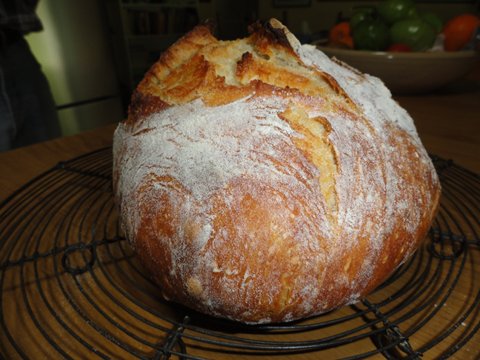
Bread is one of those foods that, when made with your own hands, gives a great deal of satisfaction and delight. It's only flour and water but it symbolises so much. I bake bread most days and use a variety of flours that I buy in bulk. Often I make a sandwich loaf because we use most of our bread for lunchtime sandwiches and for toast. Every so often I branch out to make a different type of loaf. I have tried sour dough in the past but I've not been happy with any of them. I'll continue to experiment with sour dough because I like the idea of using wild yeasts and saving the starter over a number of years to develop the flavour and become a part of the family. However, the loaf I've been branching out to most often is just a plain old five minute bread. By five minutes I mean it takes about five minutes actual work to prepare but it's the easiest of all bread to make and to get consistently good loaves from. If you're having people around for lunch or...
Image

This is my last post.

I have known for a while that this post was coming, but I didn't know when. This is my last post. I'm closing my blog, for good, and I'm not coming back like I have in the past.  I've been writing here for 16 years and my blog has been many things to me. It helped me change my life, it introduced me to so many good people, it became a wonderful record of my family life, it helped me get a book contract with Penguin, and monthly columns with The Australian Women's Weekly and Burke's Backyard . But in the past few months, it's become a burden. In April, I'll be 75 years old and I hope I've got another ten years ahead. However, each year I'll probably get weaker and although I'm fairly healthy, I do have a benign brain tumour and that could start growing. There are so many things I want to do and with time running out, leaving the blog behind gives me time to do the things that give me pleasure. On the day the blog started I felt a wonderful, h...
Image

What is the role of the homemaker in later years?

An email came from a US reader, Abby, who asked about being a homemaker in later years. This is part of what she wrote: "I am a stay-at-home mum to 4 children, ages 9-16. I do have a variety of "odd jobs" that I enjoy - I run a small "before-school" morning drop-off daycare from my home, I am a writing tutor, and I work a few hours a week at a local children's bookstore. But mostly, I cherish my blissful days at home - cooking, cleaning (with homemade cleaners), taking care of our children and chickens and goats, baking, meal-planning, etc. This "career" at home is not at all what I imagined during my ambitious years at university, but it is far more enriching. I notice, though, that my day is often planned around the needs of my family members. Of course, with 4 active kids and a husband, this is natural. I do the shopping, plan my meals, cook dinner - generally in anticipation of my family reconnecting in the evening.  I can't h...
Image

Every morning at home

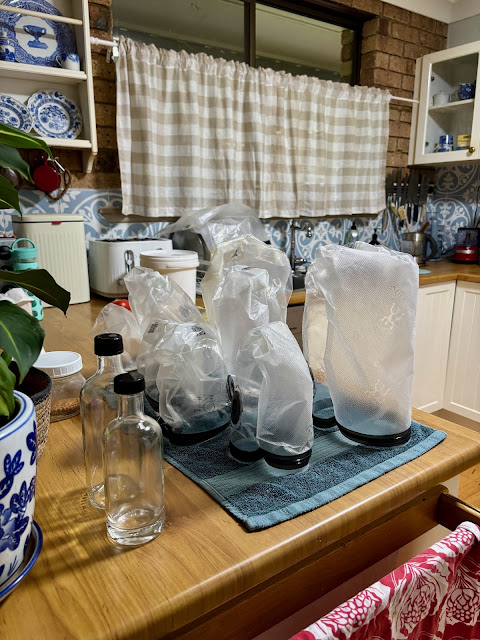
Every morning when I walk into my kitchen it looks tidy and ready for a day's work. Not so on this morning (above), I saw this when I walked in. Late the previous afternoon when I was looking for something, I came across my rolled up Zwilling vacuum bags and decided they had to be washed and dried. So I did that and although I usually put them outside on the verandah to dry it was dark by then. I turned the just-washed bags inside out and left them like this on a towel. It worked well and now the bags are ready to use when I bring home root vegetables, cabbages or whatever I buy that I want to last four or five weeks.
Image

You’ll save money by going back to basics

When I was doing the workshops and solo sessions, I had a couple of people whose main focus was on creating the fastest way to set up a simple life. You can't create a simple life fast, it's the opposite of that It's not one single thing either - it's a number of smaller, simpler activities that combine to create a life that reflects your values; and that takes a long to come together. When I first started living simply I took an entire year to work out our food - buying it, storing it, cooking it, preserving, baking, freezing, and growing it in the backyard. This is change that will transform how you live and it can't be rushed.  
Image

All previous blog posts

  • 2026 3
    • February 3
      • Workshops starting 1 March
      • Planting vegetable seeds and new workshops
      • Back where we belong
  • 2025 7
    • July 1
    • June 2
    • May 1
    • April 2
    • February 1
  • 2024 25
    • December 2
    • November 1
    • October 2
    • September 3
    • August 1
    • July 3
    • June 1
    • May 3
    • April 2
    • March 3
    • February 2
    • January 2
  • 2023 13
    • December 1
    • November 2
    • October 1
    • September 3
    • August 2
    • February 2
    • January 2
  • 2022 17
    • November 3
    • October 4
    • September 3
    • August 2
    • July 3
    • June 2
  • 2021 50
    • December 1
    • November 6
    • October 7
    • September 5
    • August 4
    • July 5
    • June 2
    • May 2
    • April 6
    • March 4
    • February 4
    • January 4
  • 2020 68
    • December 3
    • November 5
    • October 4
    • September 4
    • August 4
    • July 4
    • June 4
    • May 8
    • April 7
    • March 8
    • February 8
    • January 9
  • 2019 66
    • December 2
    • November 4
    • October 5
    • August 3
    • July 4
    • June 6
    • May 8
    • April 8
    • March 8
    • February 11
    • January 7
  • 2018 82
    • December 1
    • September 2
    • August 10
    • July 4
    • June 11
    • May 9
    • April 12
    • March 10
    • February 10
    • January 13
  • 2017 129
    • December 7
    • November 10
    • October 6
    • September 13
    • August 11
    • July 13
    • June 12
    • May 9
    • April 9
    • March 14
    • February 11
    • January 14
  • 2016 125
    • December 7
    • November 13
    • October 10
    • September 11
    • August 11
    • July 8
    • June 9
    • May 9
    • April 12
    • March 10
    • February 13
    • January 12
  • 2015 184
    • December 7
    • November 15
    • October 20
    • September 18
    • August 19
    • July 18
    • June 12
    • May 15
    • April 12
    • March 21
    • February 13
    • January 14
  • 2014 203
    • December 11
    • November 8
    • October 17
    • September 20
    • August 17
    • July 19
    • June 17
    • May 17
    • April 23
    • March 15
    • February 18
    • January 21
  • 2013 225
    • December 13
    • November 17
    • October 17
    • September 17
    • August 21
    • July 24
    • June 20
    • May 19
    • April 17
    • March 22
    • February 17
    • January 21
  • 2012 245
    • December 17
    • November 20
    • October 20
    • September 18
    • August 15
    • July 24
    • June 21
    • May 26
    • April 23
    • March 23
    • February 19
    • January 19
  • 2011 257
    • December 18
    • November 24
    • October 27
    • September 23
    • August 24
    • July 21
    • June 24
    • May 24
    • April 16
    • March 22
    • February 14
    • January 20
  • 2010 283
    • December 20
    • November 18
    • October 18
    • September 19
    • August 25
    • July 24
    • June 25
    • May 26
    • April 25
    • March 22
    • February 29
    • January 32
  • 2009 293
    • December 29
    • November 18
    • October 23
    • September 25
    • August 22
    • July 28
    • June 22
    • May 21
    • April 27
    • March 26
    • February 24
    • January 28
  • 2008 387
    • December 24
    • November 23
    • October 25
    • September 26
    • August 27
    • July 27
    • June 37
    • May 34
    • April 44
    • March 53
    • February 32
    • January 35
  • 2007 372
    • December 37
    • November 40
    • October 55
    • September 51
    • August 49
    • July 63
    • June 49
    • May 28


Trending Articles

NOT the last post

This will be my last post here.  I've been writing my blog for 18 years and now is the time to step back. I’ve stopped writing the blog and come back a couple of times because so many people wanted it, but that won’t happen again, I won’t be back.  I’ll continue on instagram to remain connected but I don’t know how frequent that will be. I know some of you will be interested to know the blog's statistics. 
Image

Every morning at home

Every morning when I walk into my kitchen it looks tidy and ready for a day's work. Not so on this morning (above), I saw this when I walked in. Late the previous afternoon when I was looking for something, I came across my rolled up Zwilling vacuum bags and decided they had to be washed and dried. So I did that and although I usually put them outside on the verandah to dry it was dark by then. I turned the just-washed bags inside out and left them like this on a towel. It worked well and now the bags are ready to use when I bring home root vegetables, cabbages or whatever I buy that I want to last four or five weeks.
Image

You’ll save money by going back to basics

When I was doing the workshops and solo sessions, I had a couple of people whose main focus was on creating the fastest way to set up a simple life. You can't create a simple life fast, it's the opposite of that It's not one single thing either - it's a number of smaller, simpler activities that combine to create a life that reflects your values; and that takes a long to come together. When I first started living simply I took an entire year to work out our food - buying it, storing it, cooking it, preserving, baking, freezing, and growing it in the backyard. This is change that will transform how you live and it can't be rushed.  
Image

Creating a home you'll love forever

Living simply is the answer to just about everything. It reduces the cost of living; it keeps you focused on being careful with resources such as water and electricity; it reminds you to not waste food; it encourages you to store food so you don't waste it and doing all those things brings routine and rhythm to your daily life. Consciously connecting every day with the activities and tasks that create simple life reminds you to look for the meaning and beauty that normal daily life holds.  It's all there in your home if you look for it. Seemingly mundane tasks like cleaning and cooking help you with that connection for without those tasks, the home you want to live in won't exist in the way you want it to.  Creating a home you love will make you happy and satisfied.
Image

Time changes everything

I've been spending time in the backyard lately creating a contained herb and vegetable garden. My aim is to develop a comfortable place to spend time, relax, increase biodiversity and encourage more animals, birds and insects to live here or visit. Of course I'd prefer my old garden which was put together by Hanno with ease and German precision. Together, we created a space bursting at the seams with herbs, vegetables and fruity goodness ready to eat and share throughout the year. But time changes everything. What I'm planning on doing now, is a brilliant opportunity for an almost 80 year old with balance issues. In my new garden I'll be able to do a wide range of challenging or easy work, depending on how I feel each day. It’s a daily opportunity to push myself or sit back, watch what's happening around me and be captivated by memories or the scope of what's yet to come.
Image

It's the old ways I love the most

I'm a practical woman who lives in a 1980’s brick slab house. There are verandahs front and back so I have places to sit outside when it's hot or cold. Those verandahs tend to make the house darker than it would be but they're been a great investment over time because they made the house more liveable. My home is not a romantic cottage, nor a minimalist modern home, it's a 1980’s brick slab house. And yet when people visit me here they tell me how warm and cosy my home is and that they feel comforted by being here. I've thought about that over the years and I'm convinced now that the style of a home isn't what appeals to people. What they love is the feeling within that home and whether it's nurturing the people who live there.
Image

Back where we belong

Surprise! I'm back ... for good this time. Instagram became an impossible place for me. They kept sending me messages asking if I'd make my page available for advertisers! Of course, I said no but that didn't stop them. It's such a change from what Instagram started as. But enough of that, the important part of this post is to explain why I returned here instead of taking my writing offline for good. For a few years Grandma Donna and I have talked online face-to-face and it's been such a pleasure for me to get to know her. We have a lot in common. We both feel a responsibility to share what we know with others. With the cost of living crisis, learning how to cook from scratch, appreciate the work we do in our homes, shop to a budget and pay off debt will help people grow stronger. The best place to do that is our blogs because we have no advertising police harassing us, the space is unlimited, we can put up tons of photos when we want to and, well, it just feels li...
Image

Making ginger beer from scratch

We had a nice supply of ginger beer going over Christmas. It's a delicious soft drink for young and old, although there is an alcoholic version that can be made with a slight variation on the recipe. Ginger beer is a naturally fermented drink that is easy to make - with ginger beer you make a starter called a ginger beer plant and after it has fermented, you add that to sweet water and lemon juice. Like sourdough, it must ferment to give it that sharp fizz. To make a ginger beer plant you'll need ginger - either the powdered dry variety or fresh ginger, sugar, rainwater or tap water that has stood for 24 hours to allow the chlorine to evaporate off. You'll also need clean plastic bottles that have been scrubbed with soap, hot water and a bottle brush and then rinsed with hot water. I never sterilise my bottles and I haven't had any problems. If you intend to keep the ginger beer for a long time, I'd suggest you sterilise your bottles. MAKING THE STARTER In a...
Image