down to earth

  • Home
  • About Us
  • Down To Earth Book
  • Privacy Policy


Spring cleaning can be done at any time of the year. We tend to do it when it's cool but warm enough to have the doors and windows open. The temperatures here the past few days have broken records for being too warm for the end of winter. Hanno and I wanted to start our spring cleaning soon but we realised if we left it any longer we might be doing that extra work in the blazing heat, so we started yesterday. If you want to join us, throw open your doors and windows, put your apron on and let's start. Depending on how much time you have, you can do all the inside chores in one day, do one room at a time or put aside 30 minutes a day to work through what you need to do.


Plan and make a list of what you intend to do.

Everyone's list will be different for this but there will be some things in common. Most of us will have to clean windows, screens and shutters - I'll write about outside chores tomorrow. Some of us will need to wash curtains. Other common tasks will include:
  • Change seasonal clothes, wash and store what you won't be wearing for the next few months.
  • Wash and store gloves, mittens, hats and scarves, or get them out ready to wear again.
  • Change bedding - wash quilts, doonas, duvets, blankets, or get them our to air ready to use again. Either remove or add electric blankets, depending on your season.
  • Vacuum under the bed.
  • Ask someone to help you turn the mattress - top to bottom and over.
  • If you have pillows that can be washed - wash them and hang in the sun to dry.
  • Give the house a thorough vacuuming - move the furniture to get under and behind.
  • Vacuum the furniture - remove cushions and pillows and get right into the crevasses.
  • Wash pillow and cushion covers.
  • Take the rugs and mats outside for a thorough shaking. Let them sit over the fence for a while in the sun - face down to minimise fading.
  • Clean and organise the fridge.
  • Move the fridge out and vacuum behind it. Also carefully vacuum the back of the fridge to get rid of any accumulated dust.
  • Clean and organise the pantry and stockpile.
  • Remove everything from the kitchen benches and clean thoroughly.
  • Go through your magazine stockpile and give away the old ones. (Hanno will laugh when he sees this because I don't buy magazines any more and I'm not getting rid of my stockpile of British Country Living magazines.)
  • Clean and organise your bathroom cupboard. Safely get rid of any old medications (the local pharmacy/drug store will probably take them back).
  • Wash the shower curtain.
  • Clean the toothbrush storage area.
  • Soak hair brushes and combs in a weak solution of chloride bleach or peroxide.
  • Clean out any cupboard that needs it.


No matter how much advertising you might see for products that will help you with spring cleaning, don't fall for it. Use the home made products that have served you well during the year. You'll also need a lot of clean cloths, so you might have to cut up an old towel to help you clean and wipe dry.


And if you can't do everything you want to do, don't feel guilty, just organise yourself. Make a list of things you can do next week, the week after, or whenever your other work allows. Not all of us have the time to dedicate to this yearly thorough cleanup. There will be a number of chores I'll be doing in the coming weeks as part of my spring clean.

Spring cleaning is not the most enjoyable task but it will help you stay on top of your cleaning and organising. If you do a thorough clean now, do a little bit every day, then you'll keep your house clean and tidy and you'll feel better for it. Providing a warm and comfortable home for yourself and your family is a big part of living a simple life. This is another step towards providing just that.

I'm sure I've left off some necessary tasks on my list. I'd be interested in knowing what your spring cleaning routine is and how long it takes you to carry it all out.


Hello everyone. I hope you're having a lovely weekend.

I'm trying to work out Twitter. If you want me to follow you, my user name is rhondajean

:- )


We had a lovely day yesterday. Thank you for your warm wishes for us.

This question is from slakermom: "what do you do with your extra produce? Obviously a lot can be preserved, but what about things like lettuce? There's only so much salads I can eat."

Harvesting is one of the most important parts of the entire process and you have to get it right or you'll waste food. We eat tomatoes almost every day that are freshly picked and eaten in salads or on sandwiches. When there are too many, and that is a truly joyful occasion, I'll pick the excess - usually when they're still green - and ripen them in the shade. Temperature ripens tomatoes, not sunlight. When they're ripe, I'll make relish, sauce or chutney, process it in a water bath and store it in the cupboard. I do a similar thing with cucumbers and beetroot - we eat them fresh but when we have a lot of them, they're picked, pickled and then stored in the fridge.

Cabbages are also eaten fresh in coleslaw and cooked and we probably eat one cabbage every week or two during winter. Like the tomatoes, we grow more than we eat fresh and at some point in the season, I'll make sauerkraut.

We plant vegetables for our chooks and dog too. The chooks eat cabbage, silverbeet, lettuce, broccoli, radish tops, corn, peas and anything with a bug in it. Alice has anything that we would eat from the garden made into her stew that we cook for her each week.

Vegetables like corn, beans, peas, silverbeet, spinach, cauliflower, broccoli, kale, carrots are all good to freeze. To do that effectively, wait until you have enough for at least a serving for your family, pick, blanche then bag them up for the freezer. Never skip the blanching step, it makes a difference. Some days you'll only have enough excess for one or two bags for the freezer, other days you have a lot more than that. Just take it as it comes, it will only take you a few minutes to process a bag or two. Don't think it's too small an amount to worry about. You'll be happy to have it later when you can just take the frozen vegetables from the freezer and have them on the table to eat that night.

Potatoes, pumpkin and onions can all be stored in a cool dry place and will last for a few months if you find a place that is rodent-free. I know many of our American and Canadian friends can and freeze pumpkin but as far as I know, this is never done in Australia.

Don't look at the current crops as being only for that season. If you can spread the availability of produce over a wide time span, you'll be getting the best from your plantings. So with that in mind, try to plant a few extra plants so you'll be able to freeze or preserve some produce for later in the year.

Steelkitten, we do use straw to mulch our plants. It's cheap and easy to get here. When we buy ours, we buy about 12 bales and store them in the shed. We usually don't have a problem with seeds in our mulch. If you can get the chooks to sort through it, they'll eat all the seeds for you. Otherwise, you'll just have to pull out the green shoots when they grow - and if you do have chooks, they'll love to eat the grass shoots and they'll be full of Omega oils.

Maxine, Hanno will pick a lot of the kale to have in one of his seasonal pork meals. He cooks the kale with smoked pork sausage and meat. I don't eat it but he feasts on it for a few days because he makes a big pot. There will be kale left after he picks, so a couple of days later, we'll pick it all to clear the area for tomatoes. That kale will be processed in a water bath and stored in the cupboard.

Avalon, we tilled the original soil, added a lot of manure and compost and then enclosed the beds with the besser blocks. The soil is higher than the surrounding soil because we added a lot of nutrients and continue to add them between every new crop.

Linda, there'll be a post about the bush house soon.

Karyn, I forget the exact size, it's something like 2 metres x 6 metres (6'x20').

Trina, Heather has been a very healthy girl since we brought her home as a two week old chick. However, in the flock we bought with Heather, about six of them died. They were a mixture of rare breed chooks, Heather was the only Faverolles. There was a Barnevelder, some Plymouth Rocks, Sussex, Hamburgs. From what I have read, it is quite normal to have a portion of a flock died when they're relocated and we've certainly found that to be true. If they survive the relocation and settle in, usually they live for a very long time. We often have old chooks here. At the moment Cocobelle is our oldest at five years.

Evelyn, bok choy bolts in the heat. So does lettuce, broccoli, coriander (cilantro), spinach and cauliflower. Tomatoes don't set their fruit well in the heat either. Over around 30C (85F), tomatoes often stop producing flowers or setting them to fruit if they're already there.

Courtney, don't give up, love. You're doing the right thing, even though a lot of people around you don't know it ... yet. :- )

I should never say I'll do something on a certain day "when I'm not busy". My post must be short today because I have a very busy day, so I'll answer those questions from the gardening post tomorrow. Hanno is just about to collect our son Kerry from the airport. He's had a few weeks in Canada and the US. Later in the day Shane and Sarndra will be here for a family lunch. But before all that loveliness, I have to go to the Centre to have morning tea with 20 ladies from our local church. They asked ages ago could they come in to find our more about what we're doing there.

I really love days like these. As you know, I really love the everydayness of my life and enjoy squeezing every bit of pleasure from what I do here. But these special days, the days I spend with my family, shine out like beacons in the dark when I look back on them. Life is all about family and friends and the older I get, the more I know that to be true. Today will be one fine day.

Some of you will remember that Kerry left a few weeks ago to work in Canada and then travel to the US, Cuba and Brazil. He planned on being away for a year or so. Well, that did not go as planned. When he got over to Canada, he realised that he missed his girlfriend Sunny too much to go on without her. Today he is back. Sometimes life teaches us what we need to know in strange ways. Sometimes you have to go away to realise how much someone means to you. Sunny is a lovely girl and I thank my lucky stars that both my sons have brought wonderful women into our family.

So later today we'll be dining on roast lamb and vegetables with something that I haven't decided upon yet for dessert. We'll listen to Kerry talk about his adventures of roaming across the US for the past few weeks, we'll hear about Sarndra's new business that we're all excited about and the plans Shane and Sarndra are making for their life together, and when I go to bed tonight I will be pleased and satisfied with my lot. It doesn't take much to put a smile on my face; today I think it will be there all day.

I hope your day is beautiful too.

Hello everyone! I'll answer the questions from yesterday's post tomorrow, when I'm not so busy. I'm working Tuesdays and Wednesdays at the moment and today will be a big day for me.

I always feel very satisfied and pleased when I produce a good meal by combining our garden produce with the pantry stock. Monday night's meal was a quiche, made with eggs from our hens, and a pastry made with ingredients I always have on hand in the pantry. We had it for dinner again last night and I'm taking the last slice to work for my lunch today. It's delicious.

Many people are put off quiches and pies because they're not sure how to make pastry. But pastry making is another one of those things that if you master it - and it IS easy - you'll have a skill that can be used for a number of things. You'll be able to make sweet fruit pies, as well as savoury ones like this quiche, or even meat pies, an Australian staple. So here is my tutorial on pastry making.

When you make pastry you need to keep the ingredients cold. In the old days, cooks always had a marble slab or bench on which to roll out their pastry, some also had marble rolling pins. Make sure your butter and water are very cold. It's easier to make pastry on a cold day, naturally, when I made this on Monday, it was the first hot day of the season.

Short Crust Pastry
1½ cups plain flour (all purpose)
120g (4½ oz) cold butter straight from the fridge
1 tablespoon cold water from the fridge - you may need to add 2 or 3 tablespoons of water - it will depend on the weather (if it's humid you'll use less water) and the flour you use. Start off with one tablespoon, and add the others in small portions if needed.
1 egg yolk

Spray a quiche form or baking tray with cooking oil and leave to one side.


Put the flour and butter in a food processor and process for about 30 seconds - until you have what looks like breadcrumbs.


Click on the photos to enlarge.

Mix the egg yolk with the water and add to the mix. Process again. If you need more water, add it now and process again. The pastry will start to form a clump, and then collect around the blade. When it does that, it's ready.


The pastry will look dry but if you take some and squeeze it between your finger tips, it will stick together and not fall apart.


Take the pastry out of the processor and place it onto a lightly flour bench. Work fast now, you don't want the cold butter to melt in the pastry.

To roll out the pastry, roll up and down a couple of times, applying light pressure. Turn the pastry a quarter of a turn and roll again - up and down a few times. Turn a quarter of a turn again. Repeat this until you have a round disc large enough for the cooking pan you're using.


You might need a palette knife to lift it, I did, the warmer the temperature in your kitchen, the more it's likely to stick. Place your rolling pin at the edge of the pastry and roll the pastry around the pin, lift it up and place it on top of the baking tin. Gentry ease it over the tray and press it in place.

Make sure the pastry comes up to the top of the tray and then, with a sharp knife, cut the top of the pastry off to make a neat edge. If you have any holes in the pastry, and you often do, patch them with bit of the cut off pastry. Just place the patch over the hole and press it to connect with the pastry surrounding it.


When everything looks right, take a knife or fork and make holes in the bottom of the pastry. That stops it from rising when it's in the oven.

Now put the uncooked pastry in the fridge for 30 minutes. This allows the gluten in the flour to relax and it hardens the butter again. If you don't do this, your pastry will be a bit tough and it will shrink.


After 30 minutes, blind bake the pastry until it's a light golden brown. Blind baking is when you bake the pie crust without the filling. Take a piece of baking paper and place it on top of the pastry, then cover the paper with some rice, chic peas or dry beans. Then place in the oven and bake on 180C (350F). I keep chic peas for the purpose in a small jar in the cupboard - they can be used over and over again.


When the pastry is cooked, you can add whatever filling you like. We had eggs, sour cream, cheese, onions, garlic, mushrooms and bacon. Make the filling earlier so it has a chance to cool down before adding it to the pastry shell. When the filling is in, return to the oven and bake until the top if a golden yellow and a knife inserted in the filling, comes out fairly dry.

Other fillings to use include:
* spinach, onions, cheese and eggs
* zucchini, onions, garlic, eggs, cream and cheese


With the addition of a little sugar to the pastry recipe, you could make a delicious fruit pie. Nothing in this whole world is better than a peach pie or (maybe) a cherry pie. When the next meeting of world leaders takes place, I propose one of us make a peach pie and take it along to the meeting. We should serve the pie up to the leaders and before leaving, remind them that the people whose lives are in their hands are real people who eat things like peach pie. We'll make sure everyone has a cup of good coffee or tea before we leave. I bet that meeting would produce a better outcome than most of those we hear about. Sometimes good food reminds us of things that are otherwise forgotten.


An overview of the garden looking south-east towards the creek and chick coop. The kale in the foreground will soon be gone to make way for tomatoes. Click on photos to enlarge them.

Before I write today's post I want to answer a few questions that were in yesterday's comments. Claudia, well done on that work you're doing; it's fabulous that it's a joint effort with the family. Just a word on the pallets, Claudia, make sure the timber used in them is untreated. If it's treated it won't be suitable for a food garden - over time, the chemicals will leach out.

Donna, the cake topping is icing sugar (confectioner's sugar) mixed with a little milk.

Carrie, I've written two posts on convincing your partner: here and here.

Barb, good luck with your changes. You are so right, we must all shoulder that responsibility.

And a special hello to all those ladies who commented yesterday for the first time.
`````````````````````````````````````````````````````````````````````````
Today I'm taking you on a walk through our vegetable garden. Hanno has done a lot of work out there this past week and it's starting to look like a really beautiful productive garden. There is only one bare patch now, but I'm quite okay with that because kitchen gardens, those used everyday to produce food for the kitchen table, are always being harvested - either for dinner or salad greens, or to put a few bags of an over abundant vegetable into the freezer.


Silverbeet, leeks, zucchini and kale.


This is the area right next to the chook house. In the foreground is zucchini, under the straw and beyond will be our next potato patch.


Lettuce, garlic, chives, bok choy, beetroot, climbing beans and radishes.


Our beautiful Faverolles hen, Heather.

I took these photos late in the afternoon when I was watering the garden and picking salad for last night's dinner. And while I was walking around, deciding what photo to take, I felt every possibility present in that garden. For the past fifty years, we've been encouraged away from self reliance. Now, we're all working harder and longer but we are softer and dependent on the system to support us and provide food. When I walk through our garden it gives me the feeling of choice, potential and the responsibility we all take when we walk a simple green path. Sure, we have to work for this, but it's good honest work and it pays off in more than a garden full of food. It gives us the feeling that we are able to look after ourselves, we can feed ourselves in good times and in bad, and we have regained the skills our grandparents all had and took for granted. If the system broke down tomorrow, or even a part of it, I have no doubt we would pull through and we'd help our family and friends stand along side us.


Looking back towards the house and bush house, here we have iceberg lettuce, capsicums (peppers) and tomatoes.


Buttercrunch lettuce, bok choy, cabbages, cucumbers and parsley.

Of course, gardening leads on to learning several other significant skills that support this life too. We must know how to store our food safely, we should know how to cook nutritious food from scratch, and we need to know how to perpetuate the food system we've given our time and effort too through seed saving and propagation.


The best silverbeet we've ever grown, next to leeks, zucchini and kale.

We've been gardening for many years, but we both had to relearn forgotten skills along the way - and we're still learning now. When you're a gardener you never stop learning. So if you're at the beginning of your journey towards self reliance, I am here to encourage you all the way. It may not always be an easy journey but it will be an interesting and enriching one.


Some of the lemons ready for juicing next week. Leaving them sit for a week makes them juicier.

I've had a few emails recently asking about how it's best to start living simply. I've written about this before but it's always an area of interest and often the first step is the most difficult.


THE bees.
Simple living is not about grand gestures - it's not moving to the country and it's not giving up work to become self sufficient. It's more about little things - small steps that make the way we live mirror our values. I believe that simple living is about being an individual - stepping away from the mainstream and living the life you want, even when that life is very different to those of your family and friends. Now I'd be the last one to tell you what sort of values you should live by. One of the best things about living in a free and open country is that we make those choices ourselves. So it would be wise to take some time out, sit by yourself, or with your partner, and write down the values that are important to you. For example, for me, it's important that:
  1. I live in an environmentally sound way;
  2. I want to limit the amount of chemicals in my home;
  3. I want to reduce waste;
  4. and make as much as I can for myself.
I have other values that I live by but those will serve as a good illustration of what I'm getting at here. Now that I have those four things, I would then make each of them a category to work on. In a note book, give each category a page to itself - write the value at the top of the page and then, over the course of a week or so, bullet points ways you can change your life to reflect your values. Some of the ideas you come up with might be easily achieved, some will be difficult but the point is to identify what you want in your life and what you need to do to make that life.

Above all else, don't copy me or anyone else whose life looks good. This way of living means you evaluate your life and make the changes you want. If you copy someone else's like, you'll be faking it. Now having said that, let me also say that if you evaluate your life and it ends up being similar to my life or your best friend's, then that is fine, as long as you went through the process and identified that is is what you want.


Lemon and coconut cake.

When I first started living this way, I was in contact with many other women on a forum who kept telling me that simple living was about slowing down, being mindful and taking time for oneself. They told me the practical things I did everyday - the bread baking, keeping a simple home, green cleaning, preserving/canning etc, were homesteading, not simple living. I never believed that - I think that a simple life is the whole kit and caboodle. It's the way I feel about myself, my home, and the way I live, it's slowing down and being mindful and it is the practical expression of all those things in the daily tasks I do each day. The philosophy of it and the expression of it are part of the whole. The values you live your life by are expressed by the practical tasks you do each day.


The last mandarin.

Another helpful way of thinking about a simple life is to just think about the things you do now, and try to make them more simple - focusing on less rather than more. Draw a line in the sand today and say to yourself: from now on I will stick to my budget; I will reduce waste and never have my rubbish bin more than half full; I'm going to stop buying so many disposable products; I'm going to cook 50 percent of our meals from scratch - then add another 10 per cent in a month, then another; I will shop for groceries only once a fortnight (month/ two months); I will teach myself to knit. Your list may not look anything like that because it will suit your life and family, but it will give you a focus to work on and bit by bit, you'll be simplifying.

In my simplified life today I'll be tidying up the bush house, starting off some vinegar with wine left over from the wedding, taking photos of the garden, having my eyes checked by the optometrist, and cleaning the front verandah, as well as a few other things. Thank you for all the wonderful comments and emails you've sent my way this part week. I don't always have the time to respond, but I read every word and appreciate you taking the time to make contact with me. Often I'm quite overwhelmed by your comments and every day I'm thankful that my blog makes it possible for me to connect with so many of you. I hope you have a beautiful week.

LEMON CAKE RECIPE
(A variation on my orange cake recipe)

Ingredients
  • ¾ cup caster sugar
  • 125 grams butter (¼ lb), room temp
  • 3 teaspoons finely grated lemon rind
  • 3 eggs, room temp
  • 1 ½ cups self-raising flour, sifted OR 1 ½ cups plain (all purpose) flour with 3 teaspoons of baking powder added
  • 1 ½ cups desiccated (shredded unsweetened) coconut
  • 4 tablespoons freshly squeezed lemon juice
  • 1 ¼ cups milk
Method
  1. Place the coconut, lemon juice and milk in a bowl and let it sit for an hour. This will sour the milk.
  2. Preheat oven to 175°C (350F).
  3. Place sugar, butter and lemon rind in a large bowl, and beat until light and creamy, this will take about 4 or 5 minutes.
  4. Add eggs one at a time, beating well between each one.
  5. Fold flour and coconut mixture into the butter mix. When it's combined, place it in a round greased and lined cake pan.
  6. Cook for 50 minutes or until , when tested with a skewer, it comes out clean.

I'm glad our gate was open yesterday because in walked Bob, the bee keeper. I looked up local beekeepers on the web and Bob was set up in the mountains behind us, so I called and told him about our swarm. An hour later he was there with a hive and smoker.

Bob has been keeping bees since he was a teenager, I guess he is around my age, so that's a mighty long time. When you have a swarm of bees, the person you want is someone with experience and common sense. Hanno and I stood back on one side of the garden fence while Bob strode right up to the bee swarm, with no protective clothes on or even the smoker. He had a quiet presence about him and as he worked he explained why bees swarm and what he was doing with them.

Bob said that in Spring, when the queen bee recognises there is another queen in the hive who will soon challenge her, she encourages the bees to eat as much honey as they can and then follow her to establish a new hive. They might have come from a hollow tree as there is some bush clearing happening near us, but most likely from an established hive.


This is one of the drones checking out Hanno's watch. The drones are the male bees that mate with the queen.

The swarm will search for a place that is safe and secure and then the worker bees will set off looking for a place to set up a new hive. If the swarm isn't captured by a bee keeper, it will usually set up in a tree hollow or the roof cavity of a house. When they move to a smaller space they're much harder to capture. Luckily our bees were still happily sun bathing on a small orange tree in our vegetable garden, working with them would be fairly easy.


Bob bringing in the capture hive.


Instead of knocking them all off the tree, Bob wanted the bees to walk onto the hive frame.


Clicking on the photo will enlarge it - Bob had a lot of the bees on the frame.


After patiently holding each frame for the bees to go on it, he was confident the queen was in the hive when the bees started flying in to the hive. Then he put the top on the hive.


When the bees started swarming again, Bob put on his protective hat to stay safe.

After the lid was on the hive it was just a waiting game. I offered Bob a cup of coffee but instead of waiting for all the bees to go into the hive, he asked if he could leave the hive there and come back at nightfall when the hive was settled and quiet.


This is how the hive looked most of the day. The queen was safely in the hive again so the worker bees started the housekeeping, preparing the cells for new eggs to be laid. Bob said this was a priority and they would work on that until everything was right. When they were sure the hive was right for the queen, they would start foraging for pollen and making honey again.

Bob returned when the sun was setting - a true man of the land, he goes by sun up and sun set, rather than by a watch. After he'd checked that most of the bees had settled in for the night, he came in for a coffee and a chat. He told us that he has his many hives set up all over the mountains and bee keepers pay to rent the land their hives stand on. His job is to go around checking that the hives are working well and no one has interfered with them. We told him he could keep some hives at our place but he said it was a bit too far from his other hives. Luckily for us though, he's the secretary of the local bee keepers' association and he said he's sure there are closer bee keepers who would be happy to set some hive with us. We said we didn't want to be paid - we'll prefer to barter the space for a few jars of honey and a bit of wax.

I'll be very happy if that happens. Not only will we get pure raw honey it will also give us all the bees we need to pollinate our plants. And I really like the idea of having bees working away in our home. It may be a romantic idea but I think that bees need all the help they can get right now. There is trouble brewing in the bee world. Colony collapse disorder and virus diseases threaten them so if we can offer a safe haven, I'd be happy.

I'd love to hear from anyone who keeps bees. Please tell me how you started and what's involved in the keeping of bees. Or are you like me and have wanted to keep bees for a long time? If one of the bee keepers does keep hives here, I'm not really sure what we're in for. I doubt we'll have to do anything, except be their guardians but I am excited about the prospect of having bees here and knowing more about how they produce honey.

Newer Posts Older Posts Home

Search here

Total Pageviews

Translate


I'm Rhonda Hetzel and I've been writing my Down to Earth blog since 2007. Although I write the occasional philosophical post, my main topics include home cooking, happiness and gardening as well as budgeting, baking, ageing, generosity, mending and handmade crafts. I hope you enjoy your time here.

MY FAVOURITE PLACES

  • Grandma Donna's Place
  • Grandma Donna's YouTube
  • Grandma Donna's Instagram
  • This Simple Day
  • Nicole's Instagram

Give More

Give More

Popular posts last year

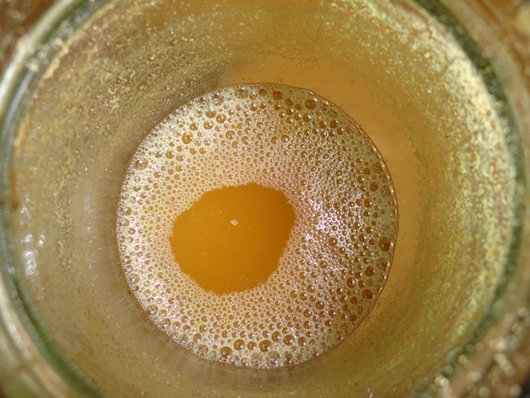
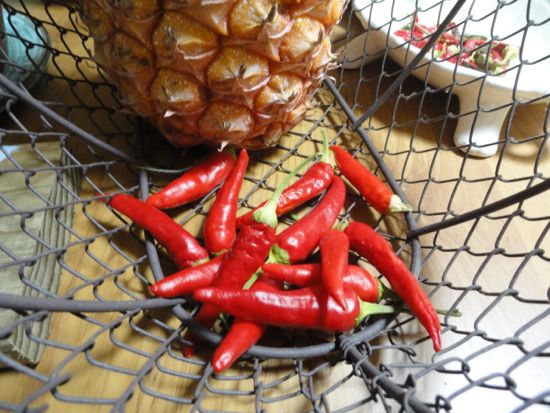
Making ginger beer from scratch

We had a nice supply of ginger beer going over Christmas. It's a delicious soft drink for young and old, although there is an alcoholic version that can be made with a slight variation on the recipe. Ginger beer is a naturally fermented drink that is easy to make - with ginger beer you make a starter called a ginger beer plant and after it has fermented, you add that to sweet water and lemon juice. Like sourdough, it must ferment to give it that sharp fizz. To make a ginger beer plant you'll need ginger - either the powdered dry variety or fresh ginger, sugar, rainwater or tap water that has stood for 24 hours to allow the chlorine to evaporate off. You'll also need clean plastic bottles that have been scrubbed with soap, hot water and a bottle brush and then rinsed with hot water. I never sterilise my bottles and I haven't had any problems. If you intend to keep the ginger beer for a long time, I'd suggest you sterilise your bottles. MAKING THE STARTER In a...
Image

NOT the last post

This will be my last post here.  I've been writing my blog for 18 years and now is the time to step back. I’ve stopped writing the blog and come back a couple of times because so many people wanted it, but that won’t happen again, I won’t be back.  I’ll continue on instagram to remain connected but I don’t know how frequent that will be. I know some of you will be interested to know the blog's statistics. 
Image

How to make cold process soap

I'm sure many of you are wondering: "Why make soap when I can buy it cheaply at the supermarket?" My cold process soap is made with vegetable oils and when it is made and cured, it contains no harsh chemicals or dyes. Often commercial soap is made with tallow (animal fat) and contains synthetic fragrance and dye and retains almost no glycerin. Glycerin is a natural emollient that helps with the lather and moisturises the skin. The makers of commercial soaps extract the glycerin and sell it as a separate product as it's more valuable than the soap. Then they add chemicals to make the soap lather. Crazy. Making your own soap allows you to add whatever you want to add. If you want a plain and pure soap, as I do, you can have that, or you can start with the plain soap and add colour, herbs and fragrance. The choice is yours. I want to add a little about animal and bird fat. I know Kirsty makes her soap with duck fat and I think that's great. I think t...
Image

Preserving food in a traditional way - pickling beetroot

I've had a number of emails from readers who want to start preserving food in jars but don't know where to start or what equipment to buy.  Leading on from yesterday's post, let's just say up front - don't buy any equipment. Once you know what you're doing and that you enjoy preserving, then you can decide whether or not to buy extra equipment. Food is preserved effectively without refrigeration by a variety of different methods. A few of the traditional methods are drying, fermentation, smoking, salting or by adding vinegar and sugar to the food - pickling. This last method is what we're talking about today. Vinegar and sugar are natural preservatives and adding one or both to food sets up an environment that bacteria and yeasts can't grow in. If you make the vinegar and sugar mix palatable, you can put up jars of vegetables or fruit that enhance the flavour of the food and can be stored in a cupboard or fridge for months. Other traditional w...
Image

Cleaning mould from walls and fabrics

With all this rain around we've developed a mould problem in our home. Usually we have the front and back doors open and that good ventilation stops most moulds from establishing. However, with the house locked up for the past week, the high humidity and the rain, mould is now growing on the wooden walls near our front door and on the lower parts of cupboards in the kitchen. Most of us will find mould growing in our homes at some point. Either in the bathroom or, in humid climates, on the walls, like we have now. You'll need a safe and effective remedy at some point, so I hope one of these methods works well for you. Mould is not only ugly to look at, it can cause health problems so if you see mould growing, do something about it straight away. The longer you leave the problem, the harder it will be to get rid of it effectively. If you have asthma or any allergies, you should do this type of cleaning with a face mask on so you don't breathe in any spores. Many peopl...
Image

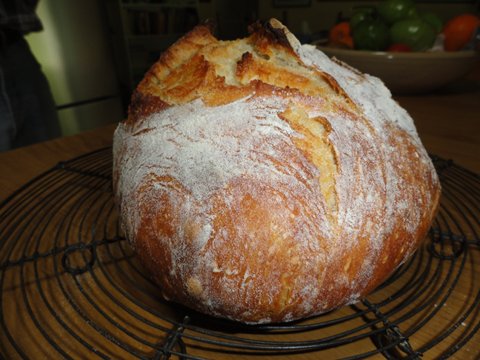
Five minute bread

Bread is one of those foods that, when made with your own hands, gives a great deal of satisfaction and delight. It's only flour and water but it symbolises so much. I bake bread most days and use a variety of flours that I buy in bulk. Often I make a sandwich loaf because we use most of our bread for lunchtime sandwiches and for toast. Every so often I branch out to make a different type of loaf. I have tried sour dough in the past but I've not been happy with any of them. I'll continue to experiment with sour dough because I like the idea of using wild yeasts and saving the starter over a number of years to develop the flavour and become a part of the family. However, the loaf I've been branching out to most often is just a plain old five minute bread. By five minutes I mean it takes about five minutes actual work to prepare but it's the easiest of all bread to make and to get consistently good loaves from. If you're having people around for lunch or...
Image

This is my last post.

I have known for a while that this post was coming, but I didn't know when. This is my last post. I'm closing my blog, for good, and I'm not coming back like I have in the past.  I've been writing here for 16 years and my blog has been many things to me. It helped me change my life, it introduced me to so many good people, it became a wonderful record of my family life, it helped me get a book contract with Penguin, and monthly columns with The Australian Women's Weekly and Burke's Backyard . But in the past few months, it's become a burden. In April, I'll be 75 years old and I hope I've got another ten years ahead. However, each year I'll probably get weaker and although I'm fairly healthy, I do have a benign brain tumour and that could start growing. There are so many things I want to do and with time running out, leaving the blog behind gives me time to do the things that give me pleasure. On the day the blog started I felt a wonderful, h...
Image

What is the role of the homemaker in later years?

An email came from a US reader, Abby, who asked about being a homemaker in later years. This is part of what she wrote: "I am a stay-at-home mum to 4 children, ages 9-16. I do have a variety of "odd jobs" that I enjoy - I run a small "before-school" morning drop-off daycare from my home, I am a writing tutor, and I work a few hours a week at a local children's bookstore. But mostly, I cherish my blissful days at home - cooking, cleaning (with homemade cleaners), taking care of our children and chickens and goats, baking, meal-planning, etc. This "career" at home is not at all what I imagined during my ambitious years at university, but it is far more enriching. I notice, though, that my day is often planned around the needs of my family members. Of course, with 4 active kids and a husband, this is natural. I do the shopping, plan my meals, cook dinner - generally in anticipation of my family reconnecting in the evening.  I can't h...
Image

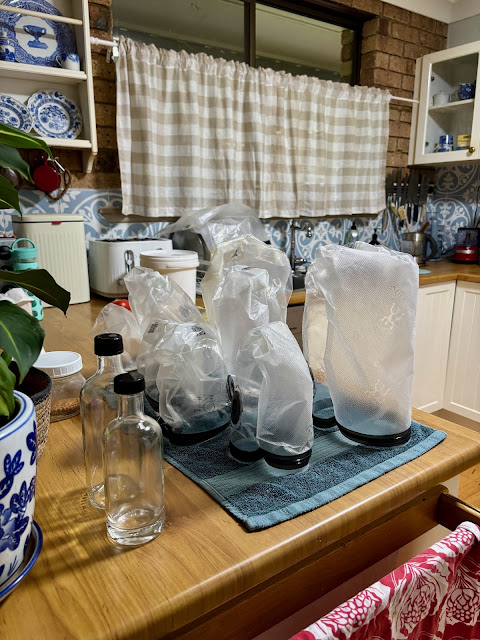
Every morning at home

Every morning when I walk into my kitchen it looks tidy and ready for a day's work. Not so on this morning (above), I saw this when I walked in. Late the previous afternoon when I was looking for something, I came across my rolled up Zwilling vacuum bags and decided they had to be washed and dried. So I did that and although I usually put them outside on the verandah to dry it was dark by then. I turned the just-washed bags inside out and left them like this on a towel. It worked well and now the bags are ready to use when I bring home root vegetables, cabbages or whatever I buy that I want to last four or five weeks.
Image

You’ll save money by going back to basics

When I was doing the workshops and solo sessions, I had a couple of people whose main focus was on creating the fastest way to set up a simple life. You can't create a simple life fast, it's the opposite of that It's not one single thing either - it's a number of smaller, simpler activities that combine to create a life that reflects your values; and that takes a long to come together. When I first started living simply I took an entire year to work out our food - buying it, storing it, cooking it, preserving, baking, freezing, and growing it in the backyard. This is change that will transform how you live and it can't be rushed.  
Image


Trending Articles

NOT the last post

This will be my last post here.  I've been writing my blog for 18 years and now is the time to step back. I’ve stopped writing the blog and come back a couple of times because so many people wanted it, but that won’t happen again, I won’t be back.  I’ll continue on instagram to remain connected but I don’t know how frequent that will be. I know some of you will be interested to know the blog's statistics. 
Image

Every morning at home

Every morning when I walk into my kitchen it looks tidy and ready for a day's work. Not so on this morning (above), I saw this when I walked in. Late the previous afternoon when I was looking for something, I came across my rolled up Zwilling vacuum bags and decided they had to be washed and dried. So I did that and although I usually put them outside on the verandah to dry it was dark by then. I turned the just-washed bags inside out and left them like this on a towel. It worked well and now the bags are ready to use when I bring home root vegetables, cabbages or whatever I buy that I want to last four or five weeks.
Image

You’ll save money by going back to basics

When I was doing the workshops and solo sessions, I had a couple of people whose main focus was on creating the fastest way to set up a simple life. You can't create a simple life fast, it's the opposite of that It's not one single thing either - it's a number of smaller, simpler activities that combine to create a life that reflects your values; and that takes a long to come together. When I first started living simply I took an entire year to work out our food - buying it, storing it, cooking it, preserving, baking, freezing, and growing it in the backyard. This is change that will transform how you live and it can't be rushed.  
Image

Creating a home you'll love forever

Living simply is the answer to just about everything. It reduces the cost of living; it keeps you focused on being careful with resources such as water and electricity; it reminds you to not waste food; it encourages you to store food so you don't waste it and doing all those things brings routine and rhythm to your daily life. Consciously connecting every day with the activities and tasks that create simple life reminds you to look for the meaning and beauty that normal daily life holds.  It's all there in your home if you look for it. Seemingly mundane tasks like cleaning and cooking help you with that connection for without those tasks, the home you want to live in won't exist in the way you want it to.  Creating a home you love will make you happy and satisfied.
Image

Time changes everything

I've been spending time in the backyard lately creating a contained herb and vegetable garden. My aim is to develop a comfortable place to spend time, relax, increase biodiversity and encourage more animals, birds and insects to live here or visit. Of course I'd prefer my old garden which was put together by Hanno with ease and German precision. Together, we created a space bursting at the seams with herbs, vegetables and fruity goodness ready to eat and share throughout the year. But time changes everything. What I'm planning on doing now, is a brilliant opportunity for an almost 80 year old with balance issues. In my new garden I'll be able to do a wide range of challenging or easy work, depending on how I feel each day. It’s a daily opportunity to push myself or sit back, watch what's happening around me and be captivated by memories or the scope of what's yet to come.
Image

It's the old ways I love the most

I'm a practical woman who lives in a 1980’s brick slab house. There are verandahs front and back so I have places to sit outside when it's hot or cold. Those verandahs tend to make the house darker than it would be but they're been a great investment over time because they made the house more liveable. My home is not a romantic cottage, nor a minimalist modern home, it's a 1980’s brick slab house. And yet when people visit me here they tell me how warm and cosy my home is and that they feel comforted by being here. I've thought about that over the years and I'm convinced now that the style of a home isn't what appeals to people. What they love is the feeling within that home and whether it's nurturing the people who live there.
Image

Making ginger beer from scratch

We had a nice supply of ginger beer going over Christmas. It's a delicious soft drink for young and old, although there is an alcoholic version that can be made with a slight variation on the recipe. Ginger beer is a naturally fermented drink that is easy to make - with ginger beer you make a starter called a ginger beer plant and after it has fermented, you add that to sweet water and lemon juice. Like sourdough, it must ferment to give it that sharp fizz. To make a ginger beer plant you'll need ginger - either the powdered dry variety or fresh ginger, sugar, rainwater or tap water that has stood for 24 hours to allow the chlorine to evaporate off. You'll also need clean plastic bottles that have been scrubbed with soap, hot water and a bottle brush and then rinsed with hot water. I never sterilise my bottles and I haven't had any problems. If you intend to keep the ginger beer for a long time, I'd suggest you sterilise your bottles. MAKING THE STARTER In a...
Image

An authentic look at daily life here — unstaged and real

Most days Hanno was outside happily working in the fresh air. It may surprise you to know that I started reading my book,  Down to Earth , yesterday - the first time since I wrote it 13 years ago.  I had lent it to my neighbor, and when she returned it, I started reading, expecting to find surprises. Instead, I realised the words were still familiar—as if they were etched into my memory. As I flipped through the pages, I was reminded of how important it was for me to share that knowledge with others. The principles in Down to Earth changed my life, and I truly believed they could do the same for others. After just 30 minutes of reading, I put the book down, reassured that its message still holds true: we can slow down and reshape our lives, one step at a time.
Image