down to earth

  • Home
  • About Us
  • Down To Earth Book
  • Privacy Policy

It's been a productive week here with Hanno and I doing some work in the backyard. We're creating an area where we can sit and relax in the sun, and when that gets too hot later in the year, in the shade of a big umbrella. We've done a lot of pruning and tidying up and it's starting to look like a different place.  I'll have photos for you soon. But now it's that time of the week when we can sit back and relax for a while. 

I'll be knitting, sewing and reading on the weekend. I hope you have time to do what you love as well. Thank you for all the beautiful comments made this week. I don't always have time to answer but I do read all of them and they usually make me smile. Take care, friends. xx


It's sad to see wild animals in such a small captive area but amazing to watch them swim around. They're like mermaid ghosts. Beluga Cam.
Not the retiring type: meet the people still working in their 70s, 80s and 90s
Empire Waist Apron Tutorial
Beautiful traditional French costumes, shawls and dresses
Want to learn how to sew your own clothes? Tilly and the Buttons is your key.
If you're an Apple user like me, you should read this.
Frequent spicy meals linked to human longevity
Slow cooker Korean sloppy joes.
Cleaning routine
How to draw a mandala
Painted stones
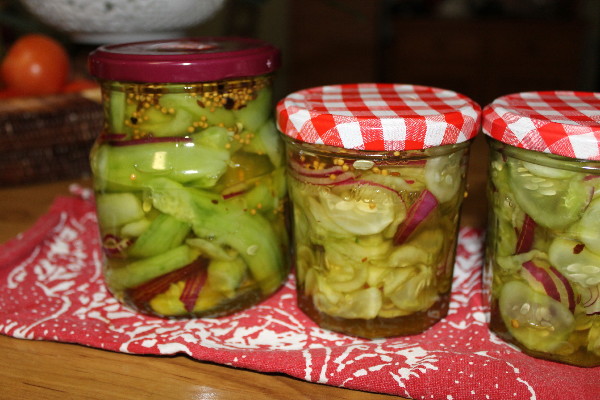
The Universal Fermented-Pickle Recipe


This is a weekly feature for readers to show us their favourite place at home.  Thanks to Sue and Angie for this week's photos. Both ladies are in the United States.


Attached are two photos of my favorite place, which is my front garden. For many years this was a typical front yard with a lawn, yew trees and hostas. My passion for growing my own food grew beyond my back yard traditional vegetable garden and I started thinking about how I could turn my front yard into an edible landscape. Two years later and this garden has become my favorite place to be. I removed all the plants and lawn from the two spaces either side of the path leading up to the house, installed two brick diamond shaped walkways and planted two gardens which are the mirror image of each other. The garden consists of over sixty different varieties of plant of which eighty five percent of them are edible. In the summer, the gardens are exploding with herbs, vegetables, berry bushes and edible flowers.


My favorite time in the garden is early morning. I walk through the plants with my mug of coffee and watch an army of bees working furiously away. I am a new beekeeper and watching both the honey bees and native solitary bees being so industrious is quite inspirational. I feed my family from this garden every day and I love how the feel of it changes through the months as different plants come into their own. This garden is both beautiful and productive and provides a unique welcome to my home.

I live in Rhode Island, USA and I blog at www.lessnoise-moregreen.com.

Thanks for the opportunity to share my garden. Sue St Jean

= = = ♥︎ = = =
And Angie says:
I currently live in a condo unit that was chosen because of the woods in the back and the number of windows so I could watch nature. I use the living room to watch the wonders of nature because it opens up to the woods. 


This is the area of my home I do quite a bit of reflecting. I watch nature out the window with a cup of coffee in hand. Sometimes I read, as well, but seldom watch television. When my son in laws come over the TV can be turned on or we will all just enjoy each other's company.


I live in the South of the United States on the coast line enjoying the bright sunlight and ocean breezes that this area is noted for. The pictures are taken in the summer.

I have a blog that your readers may be interested in as it also highlights the benefits of living a simple life. If you are interested I would love it if you stopped by to say hello. www.angiesfrugalhouse.blogspot.com

I hope each of your readers has a special spot that serves them in peace and simplicity. 


We quite frequently read about how people lived through the Great Depression and how many thrived in those demanding conditions. The lack of money, jobs, food and housing certainly made life difficult for almost everyone back then. And yet many people who lived those years say they were good, the tough times brought families together and valuable lifelong lessons were learned. I understand how tough times can teach frugality, appreciation, unwavering responsibility and courage but I think you have to be in the right circumstances to appreciate the lessons. If you're scared and hungry, every life lesson is difficult and maybe you feel too desperate to take much notice of anything except where your next meal is coming from or how to pay the bills.


I think you learn a lot when times are tough and also when things are going well. No one is born with a life manual, you do your best, and live with the consequences of whatever you do. But sometimes something comes along that will knock you over and through no fault of your own, you might be out of a job, go from full time to part time work, lose a partner, or your home. When the global financial crisis started in 2008, there were a lot of big changes and many people lost their home or job, and sometimes both. Lifestyles changed and many of us looked for ways to be frugal while living a good life. And here we are now in 2015, still living frugally, the world economy is still recovering and life has changed in countless ways. Many of the new ways of living we've adopted since 2008 are more sustainable. We're eating healthier and fresher food, we've changed the way we prepare food and shop for it, and for many of us these new ways will remain, even if the economy returns to what it used to be.


Because, just like the Great Depression, this long recession we're having is changing our mindset and showing us that modifying old ideas of how to live fit very nicely into modern life. Even with the recession, we've made many improvements to our lives while living on less money and being thrifty and sensible. We are recycling and mending now, we're cooking more of our own food and we're mindful of many things such as the importance of family and community and the insidious impact advertising has on us.


Simple living has taught me that almost everything is a series of small steps. What you see in someone who has "made it", or look like they have, is only part of the picture. That person got there one step at a time doing who knows what to get to the point you see them at. Those who don't have much are the same, it wasn't one big thing but rather many small steps to get to that point.  And so it goes with working your way through a simple life. It may have seemed like a huge decision to change how you live but after that, it's small steps. You start with one thing, that leads to other options and by taking one step after another, you reach another point.


It's certainly been a time of change. The recession has reminded us that we're not helpless and that we can do a lot more for ourselves than we had grown to believe, and those things can be life changing and enriching. I think you know what I've learnt along the way but I'd be interested in knowing what you have learnt in the past few years. What have been your good changes - both the big ones and the small, those things that even if the economy improves now, you won't go back to what you did before?


I love getting feedback and comments. I guess everyone who blogs does because it's the only way we know people read what we write. I am lucky that I have regular readers here and some of them have been with me since I started. Over the years, comments reveal readers to me bit by bit and every time a new comment comes, it adds more to my idea of who you are.

One of the reasons I keep writing my blog is that I hope I can share a bit of the knowledge I've picked up over the years. I really do think it is the responsibility of all us older women and men to pass on what we know to the younger folk. We are the current holders of our culture: family histories, family stories, cultural memories, traditional methods and bits and pieces that have been accumulated over the years. If we don't pass that on to those who come after us, who will? One of my aims here is to pass on what I think will help others, but as a reader you need to be patient because I'm not the most succinct writer. This post is a splendid example of my rambling, but it is how I am inclined to share my stories so I think we're all stuck with it.


A little while ago, the best kind of feedback arrived in my email tray. It was from a young lady who had written to me before. I answered her email on the blog. Her name is Stacey and I'll let her tell you the rest ...

Back in June 2012 you wrote me this on your blog http://down---to---earth.blogspot.com.au/2012/06/now-or-patience-and-restraint.html and your commenters left some really lovely things as well. We wanted a house more than anything and were soooooo tired of being patient!! 

Then, in 2013 I wrote to you again letting you know my husband had been made redundant and was grateful to your blog for having set us on the right track that, while tough, wouldn't be unmanageable because of our limited debt. 

Well, although you probably don't remember even writing it (or me writing you!) I just wanted to drop you a line to say - WE DID IT! 

We have bought a house!!

Since the redundancy, we had to move states from one side of the country to the other, had a car accident across the Nullabor writing off the car, bought new car, changed jobs, saved saved saved and WHAM …. we had the most amazing deposit and the lowest of mortgage repayments. 

And you know WHY we could achieve this? Because for years, every morning before I was out of bed, I read your blog on my phone to see what new ideas and inspiration you gave. I don't normally comment on your blog because I don't think my voice is probably all that important (a little fraudulent perhaps given your commenters are much wiser than my 2 cents worth) but I have been quietly reading, pretty much every post you have ever written, and soaked up all the tips, tricks and quiet reassurances. 

Thank you Rhonda for providing that reassurance that we are on the right track, we can do it, and we just needed a little patience.

I received another email from Stacey a couple of days ago to say they've moved into their new home.

I've included this now for two reasons. With Stacey's permission, I wanted to share her experience of patience and optimism and how that at only 29 years old she is wise beyond her years. And I am hoping that if you too are struggling with a problem like Stacey's or something similar, then here is her email to show that things do work themselves out and to not give up. Never give up. 

Nothing worthwhile will ever be handed to you on a silver plate. It takes time to build the kind of life most of us want to live. So always remember the small steps, know that a good life takes hard work and patience and if it doesn't go according to plan, regroup, step up, have another go and never, ever give up.

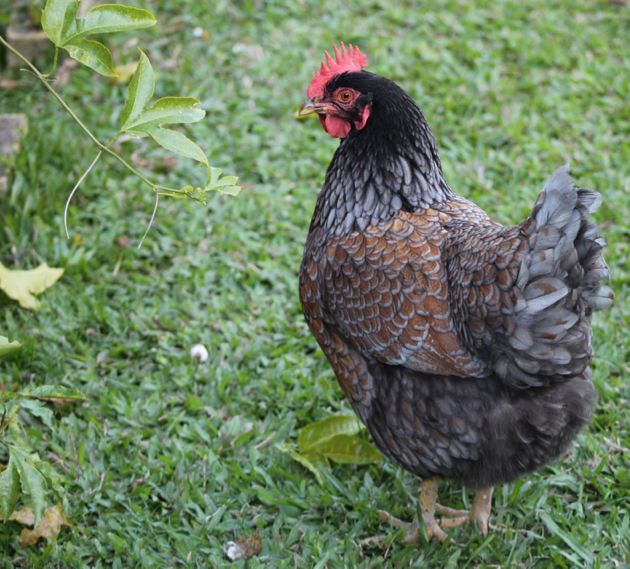
This is our lavender laced Barnevelder. Of all the hens we have for eggs, I like Barnevelder eggs the best.

I didn't have much time for reading anything other than my manuscript this week but here are my offerings. I hope you enjoy them.  Take care, friends. ♥︎

Look who I just found is blogging regularly again: Gooseberry Jam. I promise you this blog is as beautiful as the person who writes it.
I've visited this  blog, Little Cotton Rabbits, for a long time but I wanted to show you this absolutely beautiful granny square quilt. I love that it's made out of cotton and the wonderful colour combination, although those of you who know this lady's work, will know her gift with colour.
And following on from Little Cotton Rabbits, here is her tutorial for duplicate stitching. It's really good, have a look. I'm going to try it.
The Unexpected Upside of a Lean Season
This is a podcast of me with Brooke McAlary talking about simple life
DIY gift ideas
How to decorate a Christmas ginger cookie with reindeer pattern
Same lady, decorating Christmas cookies, these are beautiful
Complete Guide to Homestead Chickens
The woven nest
Letters of a woman homesteader 1909


This is a weekly feature for readers to show us their favourite place at home. This week we have Sue and Ale. Thanks for sharing your homes with us, ladies.

Our first place this week is in Wales, it's Sue's place.  She says:

I have attached two photos of My Favourite Place.

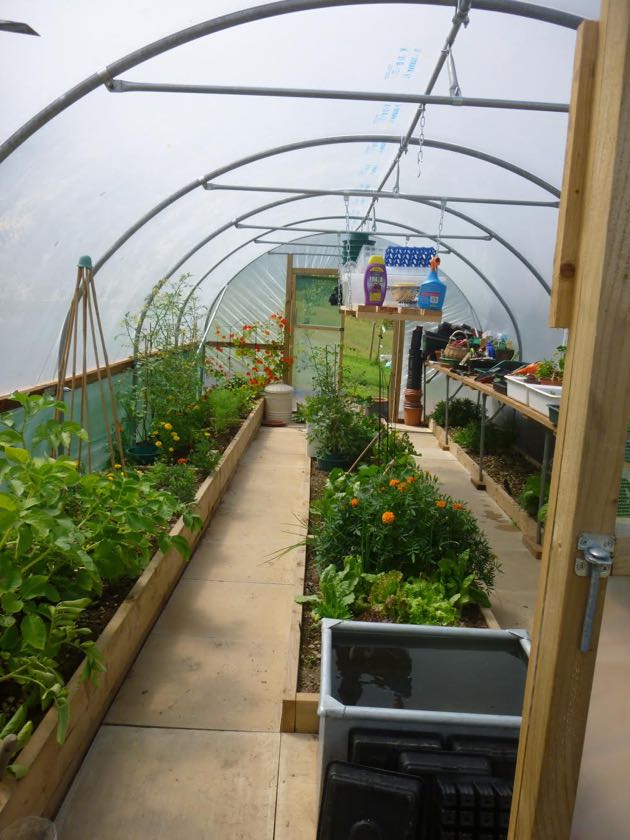
It's the polytunnel !! We waited a long time to be able to erect it after our move to North Wales (UK) as being so close to a busy A road and living in an 'area of outstanding beauty' and being near the edge of the Snowdonia National Park it was considered to be an eyesore. With bushes and trees planted alongside the road that will one day shield it from view slightly, it was finally allowed.

Now it is where I grow our own food, veggies and fruit, and where tiny seedlings are nurtured before facing the perils of the outdoor veggie patch.


In here with my radio on and usually a snoozing dog or two in the corner I can garden no matter what the weather. When it rains the pattering of raindrops on the taut polythene makes for a soothing sound and it's happy place to be.

I blog over at Our New Life in the Country, the blog I started when we did indeed start our new life in the country just over six years ago. http://ournewlifeinthecountry.blogspot.co.uk/


=== ♥︎ ===

And now we travel over to Argentina to visit Ale.

Hi, my name is Ale from Buenos Aires, Argentina (http://ale-ligeradeequipaje.blogspot.com.ar/).
Here we have four seasons, although for some years to now the climate is changing and our winters are not too cold and our summers are very hot!


I live in a little house, in a nice neighbourhood in the city. It´s called "Flores".
We have transformed our garage in a family room, next to the kitchen. Here I have my cooking books, my knitting books, my notebook, toys for my grandchild and a comfortable sofa for rest or reading. From the door you can see in the picture, you go into the kitchen so I can keep an eye on whatever I'm cooking.
It has light and in the afternoons it's sunny and cosy. Specially in winter. There is a big window looking on to my little patio (not in the pics) and at the back, the laundry.
This is my favourite place.
=== ♥︎ ===


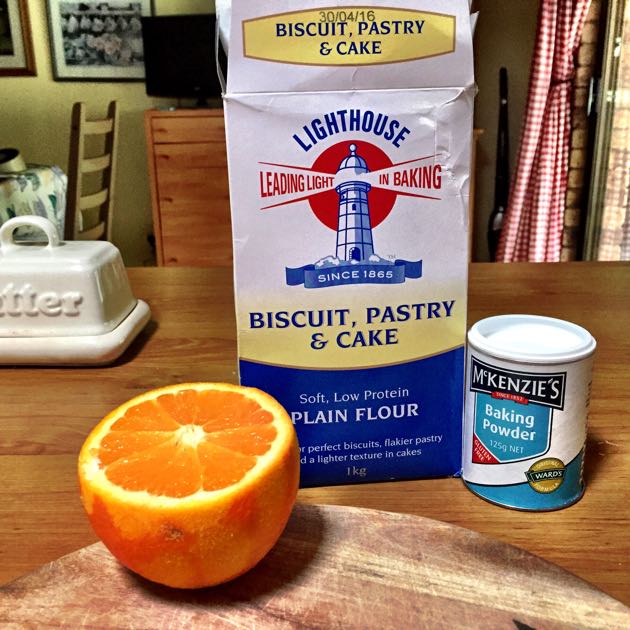
I started seeing cake flour being use on TV cooking shows about a year ago and I've seen bulk cake flour once but never bought it because of the additives it had in it. So when I was at the supermarket and saw an additive-free cake flour recently, I decided to try it. Cake flour has less protein (gluten) in it than plain/all purpose flour does so it gives a softer texture. If you over beat cake batter made with plain/all purpose or self-raising flour, the extra beating will develop the gluten and instead of having a softly textured cake, it will be firmer.


The cake flour is the Lighthouse brand, sold at Woolworths and probably Coles as well. It's the Lighthouse Biscuit, Pastry and Cake plain flour and because it's plain flour, it contains no rising agent so you have to add baking powder. I use 1 teaspoon of baking powder per one cup of flour.


I made my usual whole orange cake using cake flour and I have to say the texture was a bit softer, but I didn't think it made enough of a difference to warrant the extra expense. I make my orange cake in a swiss roll tin so it doesn't rise much and spreads out. I cut it into squares. Generally, doing this the cake will last us five or six days but after three or four days the cake is beyond its best. Often I freeze half the cake to get around that.  However, using the cake flour I was surprised to find the cake was soft and fresh until the end. There are no additives, except for niacin, which is vitamin B3, so I don't worry about that.  When I saw the freshness of the cake was extended, I thought I might use cake flour, even at the added cost.  BTW, I used the same flour for the biscuits I made with Jamie but it made no difference to the taste or the freshness.


I did some research into cake flour and found you can make it yourself at home, using plain/all purpose flour and cornflour.  I made a cake with this homemade flour and it's as good as the Lighthouse brand. I'll see over the coming days if it lasts as well as the orange cake did.

Recipe for whole orange cake.

According to thekitchn.com, to make your own cake flour at home take one cup of plain/all purpose flour and remove two tablespoons of flour. Then add two tablespoons of cornflour/cornstarch and sift it all together thoroughly.  Don't forget to add your baking powder to the flour before you sift.

It always pays to do your research and if this flour works as I think it will, extending the life of my cakes, I'll make up a jar of it and use that instead of buying Lighthouse flour. Lighthouse flour is $3.95/kilo and I buy Aldi plain flour for under $1 a kilo.  It's a saving of about two dollars for each kilo of flour I buy, so the savings will be there in the long run.

To make up a kilo/2.2lbs of cake flour:
  1. Measure out 4 cups plain/all purpose flour, then remove 8 tablespoons of flour
  2. Add 8 tablespoons of cornflour/cornstarch
  3. Add 4 teaspoons of baking powder
  4. Sift together.
What is your experience of cake flour?
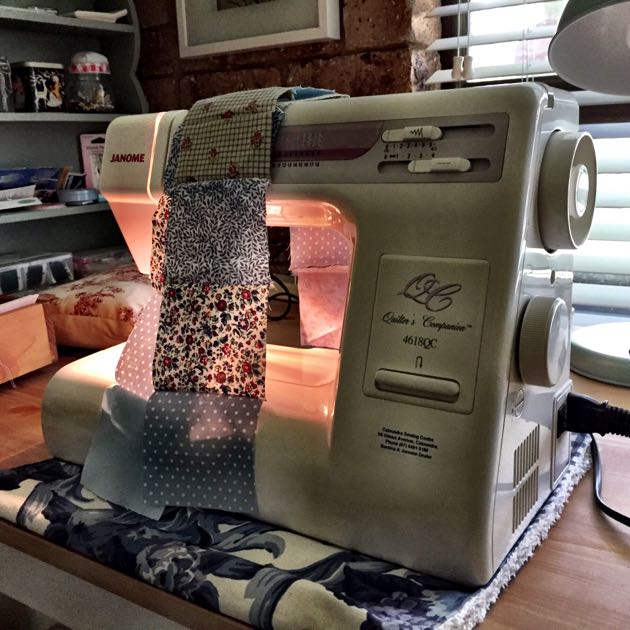
We had a lovely weekend here. The sun was shining and it was warmer than it has been so we were outside with Jamie while he rode his new bike and when we came inside, the doors stayed open to let the warm air in. My main work was to sew a few items for my swap partner, moeymichele, but of course, the ordinary work of the day also came into play.

Getting it all together for the swap.

 Searching through my stash for blue and lavender tones.

On the cooking front I made roast lamb and vegetables for us on Saturday, and used the leftovers for a spicy lamb curry on Sunday. Both easy meals and enjoyed by all of us. All of us included Jamie who was here both days, and Sunny who worked in her sushi shop. I made an extra portion packed in a sealed container for her to take home after work. I've experienced the exhaustion of a full day's physical work when I was younger and the thought of cooking a nourishing meal at the end of it still fills me with dread. I also baked jam drop biscuits on Sunday for our week's morning teas and had the added bonus of giving a pack of them to Jamie for his kindy morning teas and for Sunny's morning coffee. Home baked goodies, eaten when you're away from home, are a gentle reminder of the love you carry with you when you're out in the world.

With the butter, sugar and condensed milk whipped up, it was time to add the flour.
Here's my helper - cherry jam in some, apricot jam in the others.


And then morning tea and biscuits on the front verandah.  BTW, Jamie is wearing his Captain America suit.

My sous chef was Jamie who helped make the biscuits by setting up a work station on the table. He made the thumb hole in the biscuit dough and then filled all of them with either cherry jam or apricot jam.  Cooking and baking are great ways of teaching children the various bits and pieces of life. We counted and added, we washed our hands and talked about the reason for that, we talked about amounts and how long things last. I'm sure Jamie will remember that biscuit making even when he doesn't.

And it was Kerry's birthday yesterday so even though he Facetimed with Jamie and us on Saturday, there was a good reason for an extra call yesterday. Kerry's away at work at the moment and Facetime is a great way for all of us, especially Jamie, to keep in touch and to know he not forgotten. It's one of the good aspects of technology that helps us stay together when our circumstances force us to be far apart.

I'm getting through my swap items and have about another day's work before I'm finished. I've really enjoyed the sewing and I hope what I've made is used for many years. I also spent a little time on cleaning up and I repotted the Herb Robert I got from Nannachel at the group meeting last week. After reading about the herb and how it spreads by seeds, I've decided to leave it in various places in the garden, in the hope that it will spread and I'll have small patches of it growing well all through the year. From all accounts it likes the shady cooler weather so I'll make sure I give it a few places in the shade of other plants. It's such a sweet plant - a member of the geranium family and a very welcome addition to my garden.

I'm looking forward to a busy week ahead. I'll probably have the last read through of the book to complete and if it arrives on time, I might not get back here this week. I hope you have some interesting and productive days ahead too. Take care, friends. xx


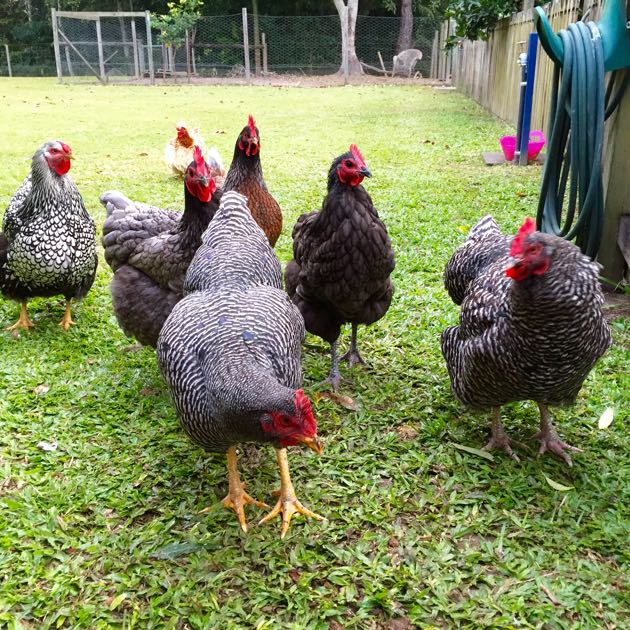
The chooks and the garden this week. 

Can you believe it? Another week done and dusted. I hope you get the chance to put your feet up this weekend. Look after yourself and those you love. See you next week. ♥︎

Do You Really Need to Refrigerate Butter?
The end of capitalism has begun
Great photographs of animals
Creative alternative to retirement living - Radio National podcast
Here Are 5 Small Ways You Might Have Wasted Money Yesterday (and How to Avoid Them Tomorrow)
Real Life On A Budget
Pattern for lovely knitted mittens
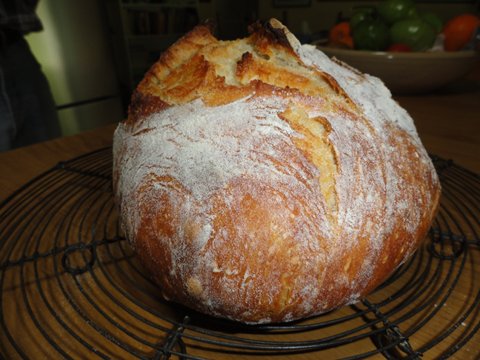
No knead crusty bread + added flavours
Living the good life - Walking in the footsteps of Scott and Helen Nearing - You Tube
Becky's Homemade Bar Soap Recipe: How to Make Soap with Lye
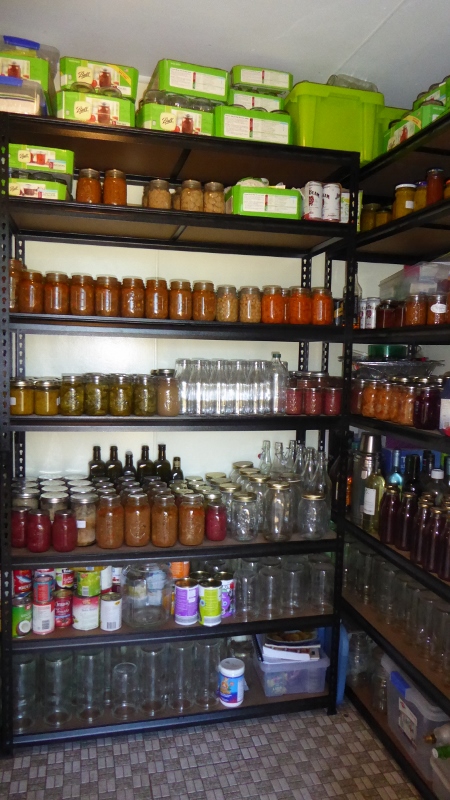
Our first favourite place this week comes from Jane in country New South Wales and as it's her canning/preserves cupboard, I think this will be a popular one.

"This is my favourite place at the moment. It is my canning pantry.


We live in central west NSW and have just retired from the coast on to a small 25 acre off grid acreage.. Our house is a bit of a bombsite at the moment as we are undertaking lots of renovations

I have lost control of everything around me, but this room is my small haven of normality. I just love lining the jars up and am continually rearranging as we use jars or i can more. I know,.. I have issues :-) :-) :-)"

Jane's blog is: ouraussieoffgridheaven.blogspot.com.au/

Our second set of photos is from Eman in London.


This is our kitchen. The kitchen window is East facing, it is where the first light of day appears. It is our favourite part of the house where weekend breakfasts are made, we have our late night conversations and family discussions or just watch the world go by whilst the busy London commuters make their way home from work. It is where the children wait for our guests to open the front gates or the sound of my husbands car parking after a day's work. It is where I listen to 'motivational' talks whilst cooking/ baking or sitting at the breakfast bar reading the down to earth blog."

Thanks to Jane and Eman for showing us that simple life can be lived anywhere - from the Australian bush to busy London.


I've really settled back into my home this week and have been re-establishing routines and trying to find my rhythm again. There was a time when I would have had bread on the rise, cleaned the kitchen, made beds, fed the outdoor animals and tidied up, all before 9am. That's not happening now and I'm not sure if it's because the cold weather is making me slower or if I'm still finding my feet. Either way, I'm enjoying my work and have decided to do things differently now so I'm trying a few things to see how they feel.


I was supposed to be doing one of the final readings of my book now but that's been postponed so this week will be all about routines, tidying up and sewing. I've joined the blue, purple and mauve colour swap at the Down to Earth forum. I've been partnered with moeymichelle in Perth and have some household linens sewing scheduled for her. I'm looking forward to it and when I finish writing this post, I'll be going through my stash to choose fabrics. We can make anything we like as long as it's within the colour range of blue, purple and mauve. I'm sure there'll be a wide variety of crafts travelling back and forth for this swap and I'm looking forward to seeing what the ladies make.


These are my toys - a Steiff dog, bought for me by Hanno when we lived in Germany 35 years ago, and a handmade teddy bear, given to me as a gift. I let Jamie play with the teddy and he lets teddy drive Peppa Pig's car. The iron cat is a copy of an Egyptian artefact found as grave goods in a pyramid. Kerry bought it at the British Museum.

On Monday I cleaned up the bookcase I keep in the kitchen to house my cooking books and some old magazines. Although I've decluttered routinely, I'm far from being a minimalist. It makes me feel comfortable and happy seeing familiar things around me - things I've known for many years. While I was cleaning those shelves, I made a mental note that I have enough cook books. I think the last one I bought was The Thrifty Kitchen and that was a few years ago now. Some of my most loved books were gifts from my family, and my Penguin friends sent me some cookbooks recently as a thank you for meeting all my deadlines. I'll be sharing a recipe from one of those books later in this post. It's the pecan and marmalade slice.
ADDED LATER: I just remembered that the last cook book I bought was The Country Table. I bought two, one for Sunny and one for me, because it's filled with old fashioned Australian cooking. Sunny had just asked me for a recipe for corned beef when I saw it in this cook book, along with a lot of other traditional, well-known food.


I've been asked for this recipe a few times so here it is. You might recall that I rarely stick to recipes and sure enough, while this was a new recipe to me, I did make a few minor adjustments. I'll give you the correct recipe as it appears in the book,  and let you make your own adjustments or stay within the recipe. Either way, I'm sure you'll enjoy it.  It's an unusual slice because it has a pastry base with a cake top. It's delicious and wonderful with a hot cup of tea.

This recipe is published in David Herbert's Best Ever Baking Recipes, published by Viking 2012.

 Marmalade Squares 

Base and part of the filling:

  • 350 plain flour
  • pinch salt
  • 200g unsalted butter, chilled and diced
  • 150g muscovado sugar

Filling:

  • 1 rounded teaspoon bicarb
  • 1 large egg, lightly beaten
  • 120 mls double cream
  • 50 g pecans, chopped
  • 50 g mixed candied peel
  • 100 g orange mamalade
  • 2 tablespoons orange juice

Oven @ 180C
30cm x 20 cm baking tin, lined with baking paper

  1. Sift flour and salt into a bowl. Rub the butter into the flour with fingertips, add the sugar and mix until it clumps together.
  2. Spread half that mixture on the bottom of the baking tin and bake for 15 minutes or until light brown. Allow to cool.
  3. Tip the rest of the base mixture into a large bowl and stir in bicarb. Mix in the egg, cream, nuts, mixed peek and half the marmalade. 
  4. Pour over the cooled base and bake for 20 - 25 minutes until golden brown.
  5. Warm the remaining marmalade with the orange juice in a small saucepan. Brush over the top of the squares when they finish baking. Cut into squares and store in an airtight container for up to five days.

Hanno and I had a rare weekend away last weekend when we drove over to Toowoomba for a meeting with the simple living group there. Such a fabulous bunch of women! They all brought along some knitting, cross stitch, crochet or sewing and while we talked, they worked on their crafts. We had hot tea on that cold morning and it felt good to be alive and in the company of like-minded folk.

I'll probably spend most of today sewing and tinkering around in my room. Days when I sew or garden or knit or take time to do that kind of work enrich my spirit and give me hours to think about my tasks, my family, you, me and how it all fits together. It's a small miracle that we gain so much pleasure from fabric and the hours we take to sew it. Part of that miracle is that we connect with our ancestors by using a skill they would have known, that what we do slows us down in the most gentle and gracious way and that what was once a one dimentional piece of fabric, after being worked, becomes part of life. I hope you have a lovely day.  ♥︎

We had some serious pruning to do last week. Our oldest lemon tree, a Eureka which is about 17 years old, had sap seeping from the trunk, numerous insect and fungal problems and was overgrown. The middle of the tree was too lush and one side of it was so out of control and laden with lemons, almost the entire side of the tree was resting on the top of the chicken coop.  Sorry, I didn't take a photo of it before it was pruned.

All these lemons will be juiced this week and the juice frozen in plastic bottles to make cordial in summer. 

Most fruit trees need to have sunlight filtering into the middle of the tree. When the tree is too bushy, it blocks that light and you'll get fewer fruit. We like to keep our trees at a certain height too so we can easily harvest crops every year. But this tree seems to have escaped that treatment and it was suffering. Our tree is about 3 metres high, which is about average for the Eureka, but it's okay to prune down to a more manageable size, and that is what we should have been doing the past few years.


Above: the pruned lemon tree now has three main branches forming a vase shape. If it survives the pruning, next year we'll reduce it in size. After that we should have our healthy tree back producing delicious Eureka lemons for our food and drinks for the next ten years.
This is our two year old backup tree - another Eureka lemon. It's got it's first crop of six lemons on now but in spring and summer, I expect it to put on a lot of growth and to produce at least 20 - 30 lemons next year.

The best time to prune citrus is after fruiting and before the new flowers start forming. It's best to do a small amount or pruning every year so you don't lose too much of the tree at one time and continue getting a harvest.  But we needed drastic action and have a two year old backup tree just in case this tree doesn't survive. I think if we didn't take this drastic action it would have died a slow death anyway.

Hanno harvested the lemons and started by reducing the branches in the middle of the tree. The ones he chose to take out were those that were growing inward, those that touched other branches, and diseased branches. He also looked for the swellings of the gall wasp and cut those out as well. We didn't have time to do it last week, but today the tree will be sprayed with organic horticultural oil and given a bucket of seaweed concentrate.  The oil is to kill of the nymphs of the green shield beetle. The mature beetles have been biting into some of the small forming fruit and and leaving a brown dry patch when the lemon matures.  The seaweed concentrate is to help with the shock of such a drastic pruning.  When we see new growth forming, we'll apply organic fertiliser.

Above is another one of our citrus trees. It's a ten year old Washington Navel orange, one of two in the backyard.  Every year, as regular as clockwork, this tree produces the most delicious oranges I've ever tasted. They're an excellent eating orange and very juicy too. Hanno can't eat too many oranges so in addition to the oranges I ate this year, he squeezed a glass of orange juice for me every morning and brought it in as I was writing the book. :- )

We finished picking these oranges last week and now have the last six sitting in the fruit bowl. This week this tree will be pruned too, but it won't be a drastic prune like the lemon. This tree will have a branch removed in the middle of the tree - it's rubbing up against another branch and it will let more light in. It's a good idea to check the graft too and if there are any shoots below the graft, clip them off. We'll look for the tell-tale deformity the gall wasp leaves behind and cut those out too and finish off by raising the skirt of the tree. That just means that some of the lower branches will be cut off so the tree's lower branches are higher off the ground.  If you can see the top horizontal brace on the timber fence behind it, the lower branches will sit level with that when the pruning is finished. When we do that, it's simply a matter of giving it a bucket of seaweed concentrate, some nitrogen fertiliser, sulphate of potash (all organic) and to mulch around the base of the tree to stop those grass runners robbing the tree of the fertiliser.

Citrus are such a productive tree and all they need is warmish weather, sun, a good feeding program  once a season and some pruning as needed, and you'll have the best organic fruit available. It's a good feeling to be able to walk outside and pick fruit and it doesn't take a lot of work. If you have the climate and space, I encourage you to try growing your favourite citrus.

Newer Posts Older Posts Home

MY BOOKS

MY BOOKS


My books were all published by Pengiun, and are available at Amazon US, Amazon UK and Amazon Au

Search here

Total Pageviews

Translate


I'm Rhonda Hetzel and I've been writing my Down to Earth blog since 2007. Although I write the occasional philosophical post, my main topics include home cooking, happiness and gardening as well as budgeting, baking, ageing, generosity, mending and handmade crafts. I hope you enjoy your time here.

MY FAVOURITE PLACES

  • Grandma Donna's Place
  • Grandma Donna's YouTube
  • Grandma Donna's Instagram
  • This Simple Day
  • Nicole's Instagram

Give More

Give More

Popular posts last year

Making ginger beer from scratch

We had a nice supply of ginger beer going over Christmas. It's a delicious soft drink for young and old, although there is an alcoholic version that can be made with a slight variation on the recipe. Ginger beer is a naturally fermented drink that is easy to make - with ginger beer you make a starter called a ginger beer plant and after it has fermented, you add that to sweet water and lemon juice. Like sourdough, it must ferment to give it that sharp fizz. To make a ginger beer plant you'll need ginger - either the powdered dry variety or fresh ginger, sugar, rainwater or tap water that has stood for 24 hours to allow the chlorine to evaporate off. You'll also need clean plastic bottles that have been scrubbed with soap, hot water and a bottle brush and then rinsed with hot water. I never sterilise my bottles and I haven't had any problems. If you intend to keep the ginger beer for a long time, I'd suggest you sterilise your bottles. MAKING THE STARTER In a...
Image

NOT the last post

This will be my last post here.  I've been writing my blog for 18 years and now is the time to step back. I’ve stopped writing the blog and come back a couple of times because so many people wanted it, but that won’t happen again, I won’t be back.  I’ll continue on instagram to remain connected but I don’t know how frequent that will be. I know some of you will be interested to know the blog's statistics. 
Image

How to make cold process soap

I'm sure many of you are wondering: "Why make soap when I can buy it cheaply at the supermarket?" My cold process soap is made with vegetable oils and when it is made and cured, it contains no harsh chemicals or dyes. Often commercial soap is made with tallow (animal fat) and contains synthetic fragrance and dye and retains almost no glycerin. Glycerin is a natural emollient that helps with the lather and moisturises the skin. The makers of commercial soaps extract the glycerin and sell it as a separate product as it's more valuable than the soap. Then they add chemicals to make the soap lather. Crazy. Making your own soap allows you to add whatever you want to add. If you want a plain and pure soap, as I do, you can have that, or you can start with the plain soap and add colour, herbs and fragrance. The choice is yours. I want to add a little about animal and bird fat. I know Kirsty makes her soap with duck fat and I think that's great. I think t...
Image

Preserving food in a traditional way - pickling beetroot

I've had a number of emails from readers who want to start preserving food in jars but don't know where to start or what equipment to buy.  Leading on from yesterday's post, let's just say up front - don't buy any equipment. Once you know what you're doing and that you enjoy preserving, then you can decide whether or not to buy extra equipment. Food is preserved effectively without refrigeration by a variety of different methods. A few of the traditional methods are drying, fermentation, smoking, salting or by adding vinegar and sugar to the food - pickling. This last method is what we're talking about today. Vinegar and sugar are natural preservatives and adding one or both to food sets up an environment that bacteria and yeasts can't grow in. If you make the vinegar and sugar mix palatable, you can put up jars of vegetables or fruit that enhance the flavour of the food and can be stored in a cupboard or fridge for months. Other traditional w...
Image

Cleaning mould from walls and fabrics

With all this rain around we've developed a mould problem in our home. Usually we have the front and back doors open and that good ventilation stops most moulds from establishing. However, with the house locked up for the past week, the high humidity and the rain, mould is now growing on the wooden walls near our front door and on the lower parts of cupboards in the kitchen. Most of us will find mould growing in our homes at some point. Either in the bathroom or, in humid climates, on the walls, like we have now. You'll need a safe and effective remedy at some point, so I hope one of these methods works well for you. Mould is not only ugly to look at, it can cause health problems so if you see mould growing, do something about it straight away. The longer you leave the problem, the harder it will be to get rid of it effectively. If you have asthma or any allergies, you should do this type of cleaning with a face mask on so you don't breathe in any spores. Many peopl...
Image

Five minute bread

Bread is one of those foods that, when made with your own hands, gives a great deal of satisfaction and delight. It's only flour and water but it symbolises so much. I bake bread most days and use a variety of flours that I buy in bulk. Often I make a sandwich loaf because we use most of our bread for lunchtime sandwiches and for toast. Every so often I branch out to make a different type of loaf. I have tried sour dough in the past but I've not been happy with any of them. I'll continue to experiment with sour dough because I like the idea of using wild yeasts and saving the starter over a number of years to develop the flavour and become a part of the family. However, the loaf I've been branching out to most often is just a plain old five minute bread. By five minutes I mean it takes about five minutes actual work to prepare but it's the easiest of all bread to make and to get consistently good loaves from. If you're having people around for lunch or...
Image

This is my last post.

I have known for a while that this post was coming, but I didn't know when. This is my last post. I'm closing my blog, for good, and I'm not coming back like I have in the past.  I've been writing here for 16 years and my blog has been many things to me. It helped me change my life, it introduced me to so many good people, it became a wonderful record of my family life, it helped me get a book contract with Penguin, and monthly columns with The Australian Women's Weekly and Burke's Backyard . But in the past few months, it's become a burden. In April, I'll be 75 years old and I hope I've got another ten years ahead. However, each year I'll probably get weaker and although I'm fairly healthy, I do have a benign brain tumour and that could start growing. There are so many things I want to do and with time running out, leaving the blog behind gives me time to do the things that give me pleasure. On the day the blog started I felt a wonderful, h...
Image

What is the role of the homemaker in later years?

An email came from a US reader, Abby, who asked about being a homemaker in later years. This is part of what she wrote: "I am a stay-at-home mum to 4 children, ages 9-16. I do have a variety of "odd jobs" that I enjoy - I run a small "before-school" morning drop-off daycare from my home, I am a writing tutor, and I work a few hours a week at a local children's bookstore. But mostly, I cherish my blissful days at home - cooking, cleaning (with homemade cleaners), taking care of our children and chickens and goats, baking, meal-planning, etc. This "career" at home is not at all what I imagined during my ambitious years at university, but it is far more enriching. I notice, though, that my day is often planned around the needs of my family members. Of course, with 4 active kids and a husband, this is natural. I do the shopping, plan my meals, cook dinner - generally in anticipation of my family reconnecting in the evening.  I can't h...
Image

Every morning at home

Every morning when I walk into my kitchen it looks tidy and ready for a day's work. Not so on this morning (above), I saw this when I walked in. Late the previous afternoon when I was looking for something, I came across my rolled up Zwilling vacuum bags and decided they had to be washed and dried. So I did that and although I usually put them outside on the verandah to dry it was dark by then. I turned the just-washed bags inside out and left them like this on a towel. It worked well and now the bags are ready to use when I bring home root vegetables, cabbages or whatever I buy that I want to last four or five weeks.
Image

You’ll save money by going back to basics

When I was doing the workshops and solo sessions, I had a couple of people whose main focus was on creating the fastest way to set up a simple life. You can't create a simple life fast, it's the opposite of that It's not one single thing either - it's a number of smaller, simpler activities that combine to create a life that reflects your values; and that takes a long to come together. When I first started living simply I took an entire year to work out our food - buying it, storing it, cooking it, preserving, baking, freezing, and growing it in the backyard. This is change that will transform how you live and it can't be rushed.  
Image

All previous blog posts

  • 2026 3
    • February 3
      • Workshops starting 1 March
      • Planting vegetable seeds and new workshops
      • Back where we belong
  • 2025 7
    • July 1
    • June 2
    • May 1
    • April 2
    • February 1
  • 2024 25
    • December 2
    • November 1
    • October 2
    • September 3
    • August 1
    • July 3
    • June 1
    • May 3
    • April 2
    • March 3
    • February 2
    • January 2
  • 2023 13
    • December 1
    • November 2
    • October 1
    • September 3
    • August 2
    • February 2
    • January 2
  • 2022 17
    • November 3
    • October 4
    • September 3
    • August 2
    • July 3
    • June 2
  • 2021 50
    • December 1
    • November 6
    • October 7
    • September 5
    • August 4
    • July 5
    • June 2
    • May 2
    • April 6
    • March 4
    • February 4
    • January 4
  • 2020 68
    • December 3
    • November 5
    • October 4
    • September 4
    • August 4
    • July 4
    • June 4
    • May 8
    • April 7
    • March 8
    • February 8
    • January 9
  • 2019 66
    • December 2
    • November 4
    • October 5
    • August 3
    • July 4
    • June 6
    • May 8
    • April 8
    • March 8
    • February 11
    • January 7
  • 2018 82
    • December 1
    • September 2
    • August 10
    • July 4
    • June 11
    • May 9
    • April 12
    • March 10
    • February 10
    • January 13
  • 2017 129
    • December 7
    • November 10
    • October 6
    • September 13
    • August 11
    • July 13
    • June 12
    • May 9
    • April 9
    • March 14
    • February 11
    • January 14
  • 2016 125
    • December 7
    • November 13
    • October 10
    • September 11
    • August 11
    • July 8
    • June 9
    • May 9
    • April 12
    • March 10
    • February 13
    • January 12
  • 2015 184
    • December 7
    • November 15
    • October 20
    • September 18
    • August 19
    • July 18
    • June 12
    • May 15
    • April 12
    • March 21
    • February 13
    • January 14
  • 2014 203
    • December 11
    • November 8
    • October 17
    • September 20
    • August 17
    • July 19
    • June 17
    • May 17
    • April 23
    • March 15
    • February 18
    • January 21
  • 2013 225
    • December 13
    • November 17
    • October 17
    • September 17
    • August 21
    • July 24
    • June 20
    • May 19
    • April 17
    • March 22
    • February 17
    • January 21
  • 2012 245
    • December 17
    • November 20
    • October 20
    • September 18
    • August 15
    • July 24
    • June 21
    • May 26
    • April 23
    • March 23
    • February 19
    • January 19
  • 2011 257
    • December 18
    • November 24
    • October 27
    • September 23
    • August 24
    • July 21
    • June 24
    • May 24
    • April 16
    • March 22
    • February 14
    • January 20
  • 2010 283
    • December 20
    • November 18
    • October 18
    • September 19
    • August 25
    • July 24
    • June 25
    • May 26
    • April 25
    • March 22
    • February 29
    • January 32
  • 2009 293
    • December 29
    • November 18
    • October 23
    • September 25
    • August 22
    • July 28
    • June 22
    • May 21
    • April 27
    • March 26
    • February 24
    • January 28
  • 2008 387
    • December 24
    • November 23
    • October 25
    • September 26
    • August 27
    • July 27
    • June 37
    • May 34
    • April 44
    • March 53
    • February 32
    • January 35
  • 2007 372
    • December 37
    • November 40
    • October 55
    • September 51
    • August 49
    • July 63
    • June 49
    • May 28


Trending Articles

NOT the last post

This will be my last post here.  I've been writing my blog for 18 years and now is the time to step back. I’ve stopped writing the blog and come back a couple of times because so many people wanted it, but that won’t happen again, I won’t be back.  I’ll continue on instagram to remain connected but I don’t know how frequent that will be. I know some of you will be interested to know the blog's statistics. 
Image

Every morning at home

Every morning when I walk into my kitchen it looks tidy and ready for a day's work. Not so on this morning (above), I saw this when I walked in. Late the previous afternoon when I was looking for something, I came across my rolled up Zwilling vacuum bags and decided they had to be washed and dried. So I did that and although I usually put them outside on the verandah to dry it was dark by then. I turned the just-washed bags inside out and left them like this on a towel. It worked well and now the bags are ready to use when I bring home root vegetables, cabbages or whatever I buy that I want to last four or five weeks.
Image

You’ll save money by going back to basics

When I was doing the workshops and solo sessions, I had a couple of people whose main focus was on creating the fastest way to set up a simple life. You can't create a simple life fast, it's the opposite of that It's not one single thing either - it's a number of smaller, simpler activities that combine to create a life that reflects your values; and that takes a long to come together. When I first started living simply I took an entire year to work out our food - buying it, storing it, cooking it, preserving, baking, freezing, and growing it in the backyard. This is change that will transform how you live and it can't be rushed.  
Image

Creating a home you'll love forever

Living simply is the answer to just about everything. It reduces the cost of living; it keeps you focused on being careful with resources such as water and electricity; it reminds you to not waste food; it encourages you to store food so you don't waste it and doing all those things brings routine and rhythm to your daily life. Consciously connecting every day with the activities and tasks that create simple life reminds you to look for the meaning and beauty that normal daily life holds.  It's all there in your home if you look for it. Seemingly mundane tasks like cleaning and cooking help you with that connection for without those tasks, the home you want to live in won't exist in the way you want it to.  Creating a home you love will make you happy and satisfied.
Image

Time changes everything

I've been spending time in the backyard lately creating a contained herb and vegetable garden. My aim is to develop a comfortable place to spend time, relax, increase biodiversity and encourage more animals, birds and insects to live here or visit. Of course I'd prefer my old garden which was put together by Hanno with ease and German precision. Together, we created a space bursting at the seams with herbs, vegetables and fruity goodness ready to eat and share throughout the year. But time changes everything. What I'm planning on doing now, is a brilliant opportunity for an almost 80 year old with balance issues. In my new garden I'll be able to do a wide range of challenging or easy work, depending on how I feel each day. It’s a daily opportunity to push myself or sit back, watch what's happening around me and be captivated by memories or the scope of what's yet to come.
Image

It's the old ways I love the most

I'm a practical woman who lives in a 1980’s brick slab house. There are verandahs front and back so I have places to sit outside when it's hot or cold. Those verandahs tend to make the house darker than it would be but they're been a great investment over time because they made the house more liveable. My home is not a romantic cottage, nor a minimalist modern home, it's a 1980’s brick slab house. And yet when people visit me here they tell me how warm and cosy my home is and that they feel comforted by being here. I've thought about that over the years and I'm convinced now that the style of a home isn't what appeals to people. What they love is the feeling within that home and whether it's nurturing the people who live there.
Image

Back where we belong

Surprise! I'm back ... for good this time. Instagram became an impossible place for me. They kept sending me messages asking if I'd make my page available for advertisers! Of course, I said no but that didn't stop them. It's such a change from what Instagram started as. But enough of that, the important part of this post is to explain why I returned here instead of taking my writing offline for good. For a few years Grandma Donna and I have talked online face-to-face and it's been such a pleasure for me to get to know her. We have a lot in common. We both feel a responsibility to share what we know with others. With the cost of living crisis, learning how to cook from scratch, appreciate the work we do in our homes, shop to a budget and pay off debt will help people grow stronger. The best place to do that is our blogs because we have no advertising police harassing us, the space is unlimited, we can put up tons of photos when we want to and, well, it just feels li...
Image

Making ginger beer from scratch

We had a nice supply of ginger beer going over Christmas. It's a delicious soft drink for young and old, although there is an alcoholic version that can be made with a slight variation on the recipe. Ginger beer is a naturally fermented drink that is easy to make - with ginger beer you make a starter called a ginger beer plant and after it has fermented, you add that to sweet water and lemon juice. Like sourdough, it must ferment to give it that sharp fizz. To make a ginger beer plant you'll need ginger - either the powdered dry variety or fresh ginger, sugar, rainwater or tap water that has stood for 24 hours to allow the chlorine to evaporate off. You'll also need clean plastic bottles that have been scrubbed with soap, hot water and a bottle brush and then rinsed with hot water. I never sterilise my bottles and I haven't had any problems. If you intend to keep the ginger beer for a long time, I'd suggest you sterilise your bottles. MAKING THE STARTER In a...
Image