I can't tell you how much we appreciate the good wishes and loving words sent yesterday. Thank you all.
There are a few ways to get the taste and smell of lemon into your cooking and cleaning products without having to use fresh lemons. The best way is to use lemon myrtle or citric acid. Lemon myrtle has a wonderful lemon sherbet scent that is almost addictive.
We are growing lemon myrtle here to use in our soap, but it's also great in baking and for cleaning. Studies have shown that the antiseptic elements in lemon myrtle are stronger and more effective than those in tea tree or eucalyptus. All these plants are indigenous to Australia. So if you have lemon myrtle growing in your garden, use it in the home as well as outside as an attractive part of the greenery. A Lemon Myrtle will grow to about 20 metres (about 66 feet) if you let it but they're easily clipped back and will make a tidy bush if you keep clipping. Those clippings can be taken inside for use in a number of ways.
You can make lemon myrtle vinegar by steeping three or four leaves in a bottle of white vinegar for two weeks. This lemony vinegar can be used as part of a salad dressing or on fish but it also makes an excellent cleaner. Lemon myrtle also makes a delicious tea.

~*~*~
There are a few ways to get the taste and smell of lemon into your cooking and cleaning products without having to use fresh lemons. The best way is to use lemon myrtle or citric acid. Lemon myrtle has a wonderful lemon sherbet scent that is almost addictive.
We are growing lemon myrtle here to use in our soap, but it's also great in baking and for cleaning. Studies have shown that the antiseptic elements in lemon myrtle are stronger and more effective than those in tea tree or eucalyptus. All these plants are indigenous to Australia. So if you have lemon myrtle growing in your garden, use it in the home as well as outside as an attractive part of the greenery. A Lemon Myrtle will grow to about 20 metres (about 66 feet) if you let it but they're easily clipped back and will make a tidy bush if you keep clipping. Those clippings can be taken inside for use in a number of ways.
You can make lemon myrtle vinegar by steeping three or four leaves in a bottle of white vinegar for two weeks. This lemony vinegar can be used as part of a salad dressing or on fish but it also makes an excellent cleaner. Lemon myrtle also makes a delicious tea.
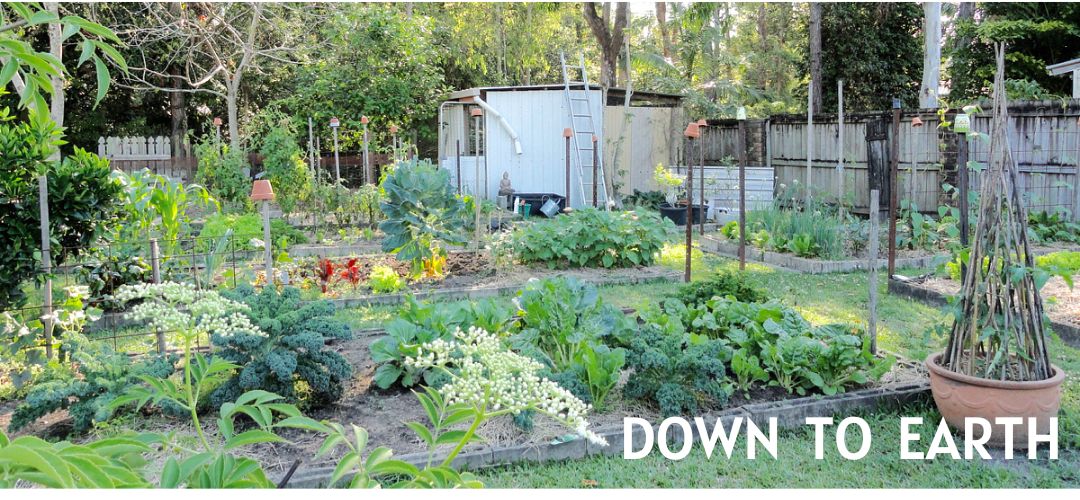
This is our lemon myrtle - it's still in a large pot.


LEMON MYRTLE
My friend Aunty Bevelry is doing some cultural tours of her country here on the Sunshine Coast during December and she asked me to bake some wattle seed scones and lemon myrtle biscuits for morning teas. I'm using Paula's "cheap and easy biscuits" recipe from the Down to Earth forums to make them. This is an excellent all round biscuit dough that can be modified to different tastes just by adding a sprinkling of dried lemon myrtle, jam, nuts, choc chips, spices, honey etc. This is it:
The recipe makes almost 100 biscuits but the dough can be divided up and frozen to use when you need a quick batch of fresh biscuits.
- 500 grams/ 1 pound butter - slightly soft
- 1 cup sugar
- 1 can sweetened condensed milk
- 5 cups wholemeal or unbleached white self raising flour
Cream the butter and sugar then add the condensed milk and mix well. Stir in flour until everything is completely mixed. The dough should be soft and slightly moist; if it's too dry, add a dash of milk. Roll into balls and flatten into a biscuit/cookie shape or roll out flat and cut with a biscuit/cookie cutter. Before baking, I sprinkle the tops with a little sugar and dried lemon myrtle.
Place on a cookie tray, put the tray in the fridge for 10 minutes to cool the mix, then bake on 180C for 10 minutes. When cooked, cool on rack and store in an air-tight jar.
This biscuit recipe is also great for jam drops, walnut or almond biscuits, or with choc chips mixed through the dough.
CITRIC ACID
Citric acid is found in quite large amounts in citrus and some berries. It can be used to replace fresh lemon in jams and fruit drinks. It's a natural preservative but it has a sour lemony taste so it's useful in cordials as well. When I make lemon cordial, I make it using half pure lemon juice and half syrup, then I dilute that in water to make up the drink, but there are other ways of making lemon cordial, here is a popular old fashioned recipe:

Citric acid can also be used to food in jars - in north America that is called canning, in the UK and Australia it's called preserving. Citric acid is used to retain colour in preserved vegetables and to increase the acidity in the jar. Clostridium botulinum, the bacteria that causes botulism, cannot grow in high acidic conditions. How to preserve/can whole tomatoes.
CITRIC ACID - CLEANING
Mix a strong concentration of citric acid in water - 1 tablespoon of citric acid to 1 cup of water to remove hard water stains from the shower glass.
CITRIC ACID - CLEANING
Mix a strong concentration of citric acid in water - 1 tablespoon of citric acid to 1 cup of water to remove hard water stains from the shower glass.
How to descale your coffee maker using citric acid.
To remove rust from your cast iron cookware. Make a paste of a ½ tablespoon of citric acid and ½ teaspoon of water. Rub the past over the cast iron pan and let it sit for five minutes. Rub the rust spots thoroughly, then clean the panw with soap and water, and rinse. When the pan is dry, sit it on the stove over medium heat for one minute to remove all traces of moisture, then allow to cool. When it is, wipe olive oil over the pan to season.
I have no doubt many of you will have more lemony hints and tips. Please add them in the comments because I'd love to find more ways to cook and clean with these products.
I have no doubt many of you will have more lemony hints and tips. Please add them in the comments because I'd love to find more ways to cook and clean with these products.

Oh wow, how wonderful! I'm not sure if we can grow lemon myrtle here, but I'm definitely going to look into it now. Thanks!
ReplyDelete-Jaime
I read a tip online that I tried and now don't use anything but Citric Acid to clean my toilet. Sprinkle a generous amount in and let it sit an hour or more then go back and brush. Its amazing!
ReplyDeleteHi Rhonda,
ReplyDeleteLike to make the cookies this week, but could you please tell me how much 1 can sweetened condensed milk is? Thank you!
Love from Holland
Thanks for the shower screen tip Rhonda. I have tried unsuccessfully to clean the shower screen glass since we moved in, to no avail. Maybe this will do the trick.
ReplyDeleteLove the cover on your book. It is so appropriate and I'm looking forward to ordering one .
Blessings
Gail
Thanks so much for this post Rhonda. Will be looking to add a lemon myrtle to my garden - had no idea how useful it could be. And Tammy, I'm going to give the citric acid a go when I'm next cleaning the loo! What a great blog this is. :) Kindest Regards, Miki
ReplyDeleteI was reading about citric acid just this weekend. Interestingly, the majority of what is sold is actually made from corn nowadays as far as I understand.
ReplyDeleteI love the cover of your book. Can't wait to read it.
Great post Rhonda!
ReplyDeleteHere is the link to my my blog post for homemade (old style) lavender furniture polish and citrus/olive dusting oil that I make!
http://theserendipitycafe.blogspot.com/2010/08/homemade-old-style-lavender-furniture.html
Squishy hugs
Kimmie
x
PS I check out your column in the AWW before any others ;]
Lemon makes cleaning a microwave oven easy peasy. Put a few slices in a jug of water, put it in the oven on high for several minutes. Allow to cool slightly, then take the jug out and wipe the oven clean. I've tried cleaning with just plain water and it doesn't work.
ReplyDeleteGood morning Rhonda.
ReplyDeleteMy OH loves the biscuits with sultanas added and then rolled in crushed cornflakes.
I previously read Tammy's hint regarding Citric Acid and used it to successfully clean a very mucky toilet bowl. (Rental house)
I too would like to add my congratulations on the book and am very much looking forward to buying a copy.
Cheers, Karen near Gym0pie.
oh, my, those cookies look delish! we don't grow lemon myrtle here in western Kentucky, so this post has left me a little envious! ;)
ReplyDeleteHi Rhonda, we use citric acid when we make bath bombs (along with baking soda, corn starch, salts and oils). Great fun to make with the kids. Lots of good ideas thanks, will have to track down a lemon myrtle now. Alison
ReplyDeleteI read online something about a lemonjuice/water solution sprayed on areas to keep spiders away. I sprayed my fences today and we'll see how that goes....anyone else know if this works?
ReplyDeleteCathy
I searched and searched for citric acid in my area, and finally gave up and ordered a pound packet from a supplier 3,000 miles away, on the west coast of the US. Now it seems almost too precious to use for cleaning...but I will!
ReplyDeleteI have this plant here in the garden and love making tea from it, but had no idea it's called lemon myrtle - it's always good to learn!
ReplyDeleteRhonda, I just took a glimpse at the book cover. It's beautiful! I'm so excited for you. If budget ever permits me to get your book, I will certainly read it.
Thanks Rhonda, I will be on the look out for a lemon myrtle now. I will definitely use the biscuit recipe too. I love having frozen biscuit dough. It impresses people when they turn up unexpectedly and you bake up some biscuits! I loved Rose's tip on cleaning the microwave too!
ReplyDeleteHi, I do believe this is an excellent web site. I stumbledupon it ;) I'm going to revisit once again since I book marked it. Money and freedom is the greatest way to change, may you be rich and continue to help others.
ReplyDeleteFeel free to visit my web page :: gowns cheap
hi, i've just discovered Lemon Myrtle in my yard. I looooooove the smell and was wondering how can I get best use of the smell? I notice the smell only when I scrunch a leaf between my fingers but I don't notice it from the plant on it's own. I want to have my whole house smelling of it. Any advice??? TThanks Ruth
ReplyDelete